


Are you a procaffeinator? Are you pregnant? If the answer to both of these questions is a Yes for you, then you should definitely read this article.
As soon as you get those two perfect red lines on your pregnancy test strip, your journey towards motherhood begins. With this new role and responsibility comes an extensive list of do’s and don’ts. While going through the list, one particular thing catches your eye and that is “limited caffeine intake”. At that moment all you want is a hug from your caffeine mug.
What Is Caffeine?
Caffeine is a stimulant which keeps you awake and energetic. It is a general myth that caffeine is found only in coffee. Caffeine is a chemical found in tea, aerated soda, energy drinks, chocolate and some medicines.
Bid Adieu to Caffeine in Pregnancy
Caffeine affects your nervous system. It increases your blood pressure, heart rate and urination. This may cause jitteriness, irritability, sleep trouble and dehydration. Also, your baby’s metabolism is still evolving and cannot digest the caffeine quickly. Thus, caffeine remains in the baby’s bloodstream for a longer period. Caffeine also reduces iron absorption.
There are various myths associated with caffeine, like infertility, birth defects, premature babies, miscarriage, childhood obesity, childhood leukemia and hyperactive children. Although these studies are not backed by 100% research, no mother would want to risk her newborn with any of these threats.
Therefore, doctors recommend limiting the caffeine intake to 200 milligrams each day during pregnancy and breastfeeding.
Limit the Dose
New moms may find it difficult to lessen their daily caffeine needs. It may even cause withdrawal symptoms like headaches and irritability. Here are some simple methods to slowly and gradually part ways with your beloved caffeine or limit the dose below permissible limits:
Try and look for healthier options in beverages. A combination of caffeine and sugar is an absolute no for expecting and feeding moms.


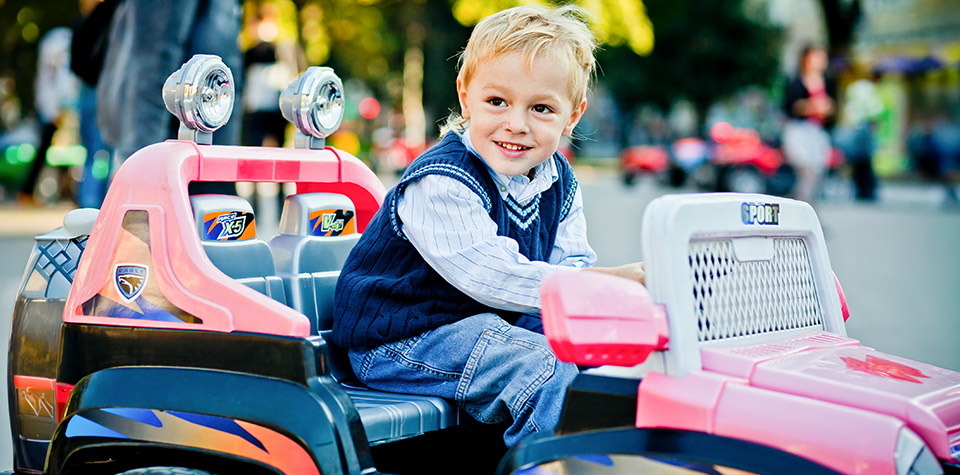
Buying a ride-on car for your child can be exciting—but it can also get expensive quickly. If you’re looking for a kids ride-on car under ₹2000, you can still find safe and fun options that offer great value.
Read More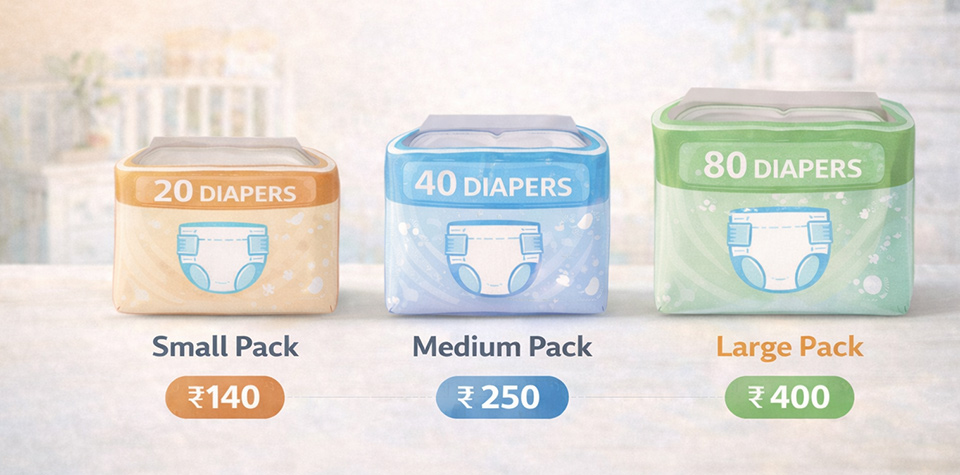
Diapers are one of the most essential baby-care products—and also one of the biggest recurring expenses for parents. From newborn stage to toddler years, diaper usage can stretch across 2–3 years, making diaper prices a major consideration for families.
Read More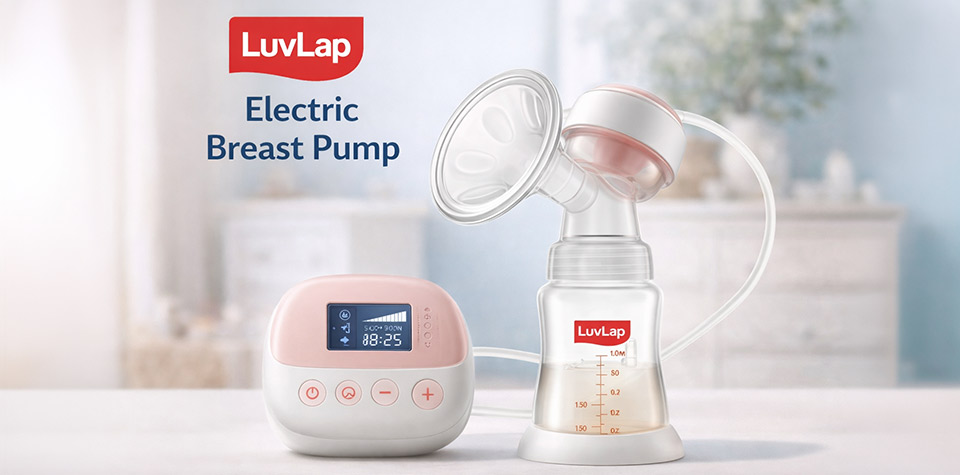
Motherhood comes with beautiful moments—and real challenges. Whether you’re returning to work, need flexibility, or want your baby to receive breast milk even when you’re away, a breast pump can be a very useful gadget to have.
Read More