

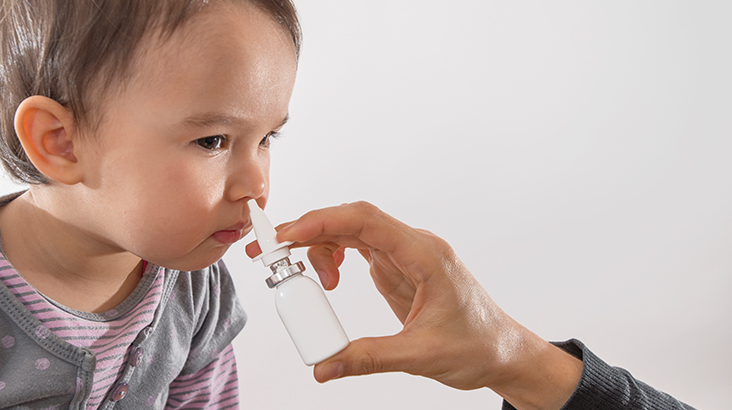
Most parents can easily miss out the first signs of nasal allergies in their children. Most of the initial signs resemble regular cough and cold, and your child may just have a runny nose and no other problem.
However, if you notice that your child has these problems throughout the year, it could point towards some or the other type of nasal allergy.
What causes nasal allergy?
The main culprits for causing nasal allergies in children include dust mites (which are often found a lot in homes without being visible to the eye), shedding and hair from pets, pollen and so on.
One common nasal allergy is hay fever, which is a condition when there is pollen in the wind and the child feels an itching and sneezing in the nose. When it gets worse, your child may continue sneezing uncontrollably. The most common symptoms include watery and itching eyes and frequent sneezing.
These allergies can cause stuffy nose problems, making it difficult for your child to breathe. In some cases, it can also cause production of fluids in the ears, leading to ear infections. If not treated in time, the nasal allergy can make breathing so uncomfortable that your child may start breathing through the mouth on a regular basis.
Common signs
Here are some of the most common signs of nasal allergy:
How to treat?
The following methods can help to ease your child and reduce the occurrence of nasal allergies:
Make sure to keep your child well hydrated, as it will help strengthen the immune system and fight against infections and allergies.



Buying a ride-on car for your child can be exciting—but it can also get expensive quickly. If you’re looking for a kids ride-on car under ₹2000, you can still find safe and fun options that offer great value.
Read More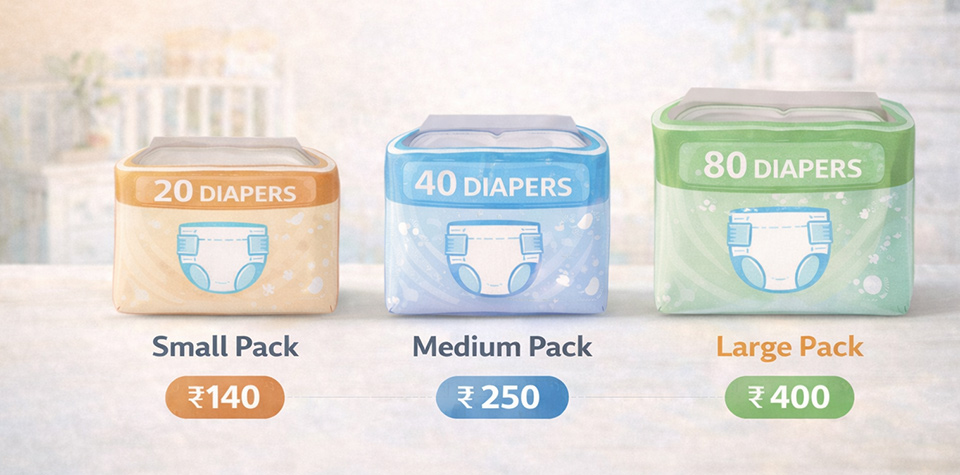
Diapers are one of the most essential baby-care products—and also one of the biggest recurring expenses for parents. From newborn stage to toddler years, diaper usage can stretch across 2–3 years, making diaper prices a major consideration for families.
Read More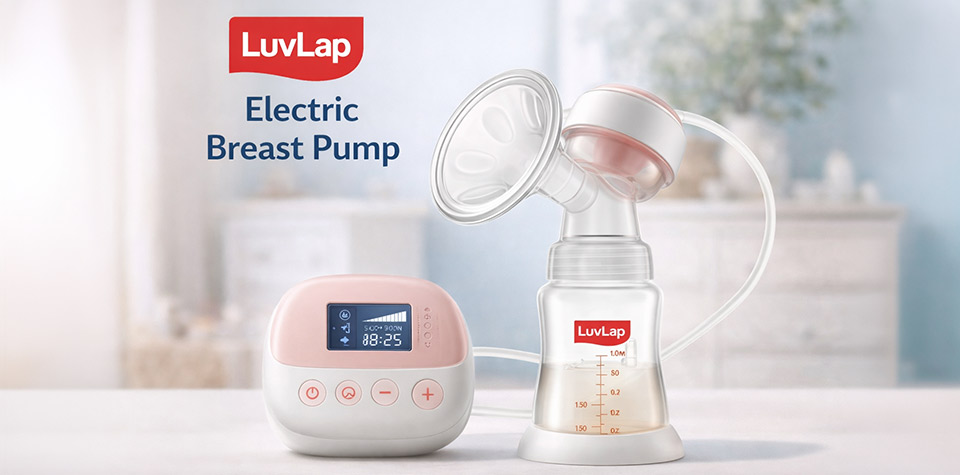
Motherhood comes with beautiful moments—and real challenges. Whether you’re returning to work, need flexibility, or want your baby to receive breast milk even when you’re away, a breast pump can be a very useful gadget to have.
Read More