6 Vegetables To Make Vegetable Pure For Small Babies

When a baby turns six months old, most parents start giving solids to their babies. Mother’s look forward to the day when their baby will eat food other than milk! We as a country are so passionate about food that we mark the baby’s first food day through an Annaparashan ceremony.

As first foods for a six-month-old baby, parents should start with fruit purees. Starting with purees is recommended as six-month-old babies don’t have teeth to chew and break down food. They can slurp nutrients in the form of purees easily. Banana is a very good fruit to start with as one can mash a banana effortlessly. Also, as it is a sweet fruit, most babies like it.

One can add a few spoons of milk to liquidize a mashed fruit for the baby.

After fruits one can introduce vegetable purees to the babies. There are some who suggest that one should start with vegetable puree instead of fruit to teach the child that not every food that they eat is sweet.

Choosing which one comes first, fruit or vegetable is a parents’ choice. What is important to remember and implement is, that parents should introduce as many green vegetables as possible to the child. It is important to introduce as many flavours as one can to the baby early on. Food tastes develop early in life and tend to persist. We know from experience that even as grown-ups we enjoy eating things whose taste we are accustomed to, and we resist eating things which we haven’t eaten before.

Vegetables are as important as fruits for babies. Getting babies to eat green vegetables can be a little tricky though. It is best to start early with green vegetable puree for your small babies. Parents can think of healthy recipes with vegetable puree for babies to smartly influence their preference.

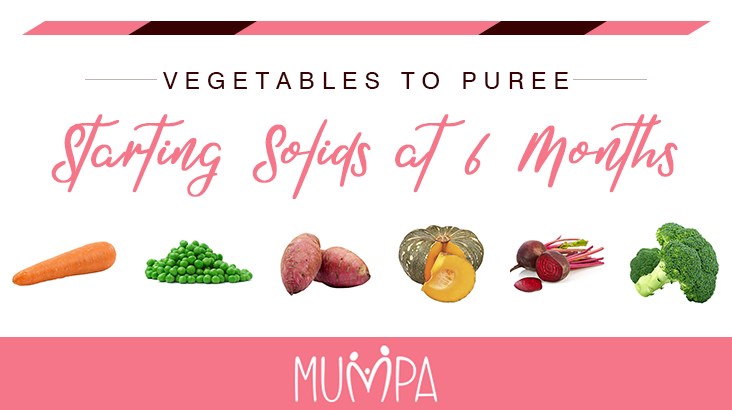
Here are some healthy recipes for making great vegetable puree(s) for small babies. These vegetables are easily available in teh Indian market. You can roast, bake, steam or pressure cook and puree these vegetables for your little one in under 15 minutes. You can serve these as it is or add some basic spices/herbs like cumin seeds while cooking these vegetables

PUMPKIN

Botanically this is a fruit, which is sweet, easy to cook and puree. Babies love it’s taste as it is sweet and flavourful. You can roast it or cook it in a pressure cooker and puree it.

PEAS

Botanically this is a fruit too! The little green pearls are packed with micronutrients and are a very good source of dietary fibre. They soften easily on cooking and can be simply mashed into a smooth vegetable puree, almost all babies love its taste.

BEETROOT

This vegetable has many nutrients to offer. It has an earthy flavour and this vegetable puree is bright red colour. This is also available around the year and you can pressure cook and puree it.

CARROTS

This vegetable is packed with many micronutrients. You can steam or pan roasted. This is a seasonal vegetable and the best ones are available during the winter season.

BROCCOLI

This is one of the most nutritious vegetables that you can offer to your child. Its cooking time is like that of cauliflower. You can add a little bit of cheese while making this vegetable puree the cooked broccoli to enhance its taste.

SWEET POTATO

Another sweet vegetable which the kids like which is easily available in the Indian markets. Roast, steam or pressure cook it and mash it for the baby.

Adding salt or sugar to a six-month-old baby’s food is not recommended as the baby’s kidneys are still developing. Adding salt to a less than one year old baby’s food puts undue pressure on their kidneys. You can add water, milk or a little bit of cheese to liquidise the purees. One can also add herbs at the start of the cooking process to enhance the taste of the puree. Add generous amounts of butter or ghee while you are roasting your vegetables.

When the baby is starting out on solids, it is best to introduce things one by one. For example, try giving your child one food (fruit or vegetable) at a time, instead of mixing them up. Watch out for rashes and signs of discomfort after feeding the baby. This is an important precaution to take to ensure that your baby is not allergic to that food.

If babies refuse a food once, try giving it to them multiple times over a course of few weeks or months, as they need time to develop a liking for certain foods.

After you have ascertained the foods that are safe for your child, you can start mixing them. Let’s say, that your child likes apple which you served steamed and mashed and likes carrot too, then you can mix these two up to make an apple carrot soup or puree for the baby!


सात संकेत जो बताएँगे की आपका बच्चा आपसे प्यार करता है

आपका बच्चा आपसे प्यार करता है के सात संकेत जब से मैने अपने छोटे से बेटे को पहली बार गोद में लिया था, मेरे लिए प्यार की परिभाषा अधिक मज़बूत हो गई है. जिस तरह से वो मेरी उंगली पकड़ता था या जिस तरह से वो मेरी तरफ देखता था वह सभी अमूल्य था. हाँलाकि उसके बड़े होने के साथ ही कई चीज़ें बदल गईं थीं. एक दूसरे को अब गले लगाना हमारा कम हो गया था फिर भी एक दूसरे को अपना स्नेह दिखाने के हमने दूसरे कारगर तरीके खोज लिए थे.

आगे पढ़िए वह सात संकेत जिससे आपको पता चल जाएगा की आपका बच्चा आपसे प्यार करता है.

. वह मुस्कुराना! इस सूची में सबसे उपर आता है,जब आपका बच्चा आपको देखकर पहली बार मनमोहक ढंग से मुस्कुराता है. यही वह तरीका है जिसके माध्यम से आपका बच्चा बताता कि वह आपको प्यार करता है.
.चिपकू!आपका बच्चा यदि आपसे चिपका रहता है तो इसमें कोई बुराई नहीं है.यदि वह आपके आसपास रहने से सुरक्षित अनुभव करता हैतो यह भी एक तरीके से उसका आपके प्रति प्यार ही है.सिर्फ आपके पास होने से जब वह सुरक्षित अनुभव करता तो उसका आपके प्रति प्यार बहुत कुछ बोलता है, और वही उसके लिए सबसे आरामदायक जगह भी होती है.
. नकलची! अपनी आस्तीनों को उपर चढ़ा कर बाल बनाते हुए जब मैने अपने बेटे को पहली बार देखा तो मुझे सब कुछ परिचित सा लगा, मैं अनुमान लगा सकती थी कि वह अपने पापा की नकल कर रहा है. माता पिता बच्चों के लिए रोकक्स्टर्स होते हैं और उनके रोल मॉडलेस होते हैं यह आपके प्रति उनकेनिश्छल प्यार को ही दर्शाता है.

मुझे तुमसे प्यार है! जब वह ये आपसे खुद ही कहना शुरू कर दें तो यह उनका सबसे सच्चा और सरल स्नेह का भाव होता है आपके प्रति.

. रहस्यों को सांझा करना. जैसे जैसे बच्चे बड़े होते हैं, वह अपने सबसे गहरे रहस्यों को आपसे सांझा करने लगते हैं. फिर आप जब यह सब जान जाते हैं तो यह सब सिर्फ़ रहस्यों को बाँटने से कहीं ज़्यादा हो जाता है. माता पिता को बच्चों के साथ विश्वसनीय भी होने की ज़रूरत होती है, जिससे बच्चे पूरे विश्वास के साथ अपनी भावनाओं को बता सके और उन्हे संभालना भी सीख सकें.

. बड़बोला होना.” मेरे पापा के पास दुनिया की सबसे बड़ी कार है” ऐसा जब मेरे बेटे ने अपने दोस्तों से एक बार बोला था तो यह बहुत ही क्यूट लगा था मुझे. बच्चों में अपने माता पिता के बारे में बढ़ चढ़कर बोलने की आदत होती है, यह सिर्फ़ ये दर्शाता है कि बच्चे अपने माँ बाप के बारे में बड़ा चढ़ा के बोलते है क्यूंकी वह उन्हे प्रशंसनीए समझते हैं

.सम्मान. मेरे हिसाब से बच्चा जब आपका सम्मान डर से ना करके प्यार से करते हैं तो वह सबसे बड़ा संकेत है आपके प्रति उनके प्रेम का. वह आपके साथ को पसंद करते हैं और सच्चाई से आपको सुनते हैं.

माँ बाप और बच्चों के बीच का संबंध समय के अनुसार बदलता रहता है.जो नहीं बदलता वह है उनके बीच का संबंध जो उन्हे बाँधे रखता है. यही संबंध ही प्यार और स्नेह के रूप से जाना जाता है. हम अपने बच्चों के मुँह से ‘आई लव यू माँ’ सुनना पसंद करते हैं इसलिए किसी दिन समय निकल कर आप अपनी माँ को भी यही चमत्कारी शब्द बोल कर देखिए. परिणाम आपके सामने होगा.

अपने बच्चे को स्कूल में सफल होने में सहायता करें

सफलता का मतलब सिर्फ़ ए’ ग्रेड लाना ही नहीं होता है. और इसलिए शिक्षा सिर्फ़ अकादमिक नहीं होती है. इस महीने जबकि बच्चों को वापस स्कूल जाना है,यहाँ पर हम ये बता रहें हैं कि बच्चों की इस यात्रा को किस तरह से सफल बनाने में मदद की जा सकती.

अभीभावक के रूप मैं, आप अपने बच्चे के प्रथम और सबसे महत्वपूर्ण शिक्षक हैं, इसलिए आपके लिए भी यह ज़रूरी है कि अपने बच्चे का भविष्या संवारने में उसका भरपूर सहयोग करें. यहाँ पर आप लोगों को कुछ आइडियास बताए जा रहें हैं, जिससे आप बच्चे से अपनी अमूल्य सहयोगिता बढ़ा कर उसे स्कूल में सफल बना सकें.

– मुखर वार्तालाप करना- इससे अच्छा और कुछ नहीं हो सकता कि आप अपने बच्चे से सारे दिन के बाद उसके स्कूल और दिन के बारे में पता करें. बच्चे को मुखर प्रश्नों का उत्तर देने के लिए प्रोत्साहित करें, जैसे- “आज दिन का कौन सा समय तुम्हारे लिए सबसे अच्छा था”?या “दिन में कौन सा भाग अच्छा नहीं बीता”?.
– क़िताबें…क़िताबें- मुझे समझ नहीं आता कि मैं किस तरह से अपने माँ बाप का धन्यवाद करूँ किउन्होने मुझे और मेरी बहन को पढ़ने की आदत डलवाई. अपने बच्चे को रोज़ 10 या 15 मिनिट्स पढ़ने की आदत डलवाए. इससे बच्चों के ध्यान और समझ में वृद्धि होती है.
. उनके सवालों का जवाब दीजिए- बच्चे हमेशा कुछ जानने को उत्सुक रहते हैं. और तुरंत ही उत्तर जानने को अधीर रहते हैन. उनके सवालों का जवाब विद्वता और पूरी समझ से दीजिए. यदि आपको उत्तर नहीं जानते हैं तो लीपापोती मत करिए. टेक्नॉलजी/ किताबों का उपयोग केरके पहले अपना ज्ञान बढ़ाएँ फिर उनके प्रश्नों का उत्तर दीजिए.

शिक्षा और सहपाठ्यक्रम क्रियाओं का समन्वय बनाइए- अपने बच्चे को बहुत ज़्यादा सह पाठ्यक्रम क्रियाओं से मत लादिए. शिक्षाक्रम और शौक के बीच में सही समन्वाए बनाइए. इससे उनके समय का सही उपयोग और उन्हे अनुशासित केरने में मदद मिलगी.
. शिक्षकों से सहयोग- बच्चे की स्कूल में प्रगति को जानना अति आवश्यक होता है. और ये समय समय पेर होते रहना चाहिए. अपने बच्चों से ऐसे सवाल पूछिए जिससे उनका सामाजिक और भावत्मक विकास हो सके.जिन चीज़ों में आपके बच्चे की क्षमता कमज़ोर है उन एक्सट्रा क्लासस के बारे में बात करिए. एक साथ मिलकर काम करिए जिससे ऐसे विषयों पर अनावश्यक चिंता ना करनी पड़े.

मूल क्षमताओं पर ध्यान दें-जब हमारे बच्चे बड़े हो रहें होते हैं तो अभिभावक के रूप में हम मानवता, मृदुभाषी होना और आदर करना जैसी मूल क्षमताओं को भूल जाते हैं. हमेशा बच्चों की इन क्षमताओं को बड़ाने में मदद करें, ये सभी बहुत दूर तक साथ निभाती हैं.

Breastfeeding Basics For New Mothers: Some Tips For Mums!

For a new mother, breastfeeding poses a huge amount of excitement as well as a challenge. I have heard many mothers where it was all very difficult to feed their babies, while on the other hand, some felt it was a as easy as a piece of cake. Of course it comes with many problems and we understand them. Here are some breastfeeding basics for new mothers
Here are some of breastfeeding basics to make it easier for you:

Latch-no Latch: This is the most common problem and a challenge that most mothers face. The best way to overcome this problem is to strip down the baby waist-down and have the skin contact. This exchange of warmth calms the child making latching easier and less scary for both of you.

Hungry Baby: Most babies need to be fed every two hours, which might make you feel just like a machine. But yes, babies do have small stomachs, and hence the need. Keep up the patience level and think from the perspective of a baby.

Swollen bosoms: Well yeah, swelling and tender breasts could be one major problem. You feel sore all the time. The solution to this is frequent breastfeeding only. Massaging your breasts for regular flow can also ease the tenderness.

Cracked nipples: Change your technique of latching and unlatching if this problem persists. Use your smallest finger to break the vacuum and then disengage. There are some organic creams also available in the market to help heal cracked nipples. For more latch-on problems, you can also use nipple shields on a temporary basis.

Dealing with baby bites: The bites are the worst and very painful. Try pulling the baby in close so that your breast blocks the nose and he has to let go to breathe, rather than trying to pull back which can make him clamp down harder. It might help in fewer bites.

Leaking breast: This is one of the embarrassing ones. Especially when your baby is not around you. This might happen due to extra milk production tending to an overflow. However, this can’t be entirely stopped, but it can be controlled. Try wearing breast pads under your clothing, or expressing milk before heading out in public. You can alternatively use a breast pump to stimulate the breast and store the milk to be given to the baby later on.

Use a breastfeeding pillow: So breastfeeding can sometimes be very tiring and bothersome on your back and arms due to the breastfeeding position. You can use a breastfeeding pillow which is a U-shaped pillow that goes around your waist and lets you rest your precious baby on it. It provides an immense relief to your arms, back, and neck!

Breastfeeding is the best time to bond with your baby. Cuddle as much as you can and devour all the love and attention to them. Trust me, this time won’t come back! Hope these breastfeeding basics for new mothers well help you all.

Happy bonding time mums!

Encouraging Positive Behaviour In Kids

I must admit there is a lot of negativity around us. Our day starts with the mad rush in the morning when I am yelling-“Hurry up, you will miss the bus!” or ending the day saying “Head to bed or you won’t be able to get up in the morning.”
I have recently noticed there are so many nos, can’ts, won’ts, shouldn’ts in our lives and that’s what our kids are learning from us.

Encouraging positive kids’ behaviour then becomes an utmost priority and here is how:
Focus on the ‘good’- The next time you see your child demonstrating honesty (by telling the truth) or kindness (by the way they talk), take them aside and offer a sincere compliment. It is not easy to find such traits, that too in young children.

Talk positive yourself- Kids gets intimated very quickly when they see their parents in distress. That’s not the model approach. Stay positive as a habit, and keep offering them solutions to their small little problems.
Appreciate them when they fail- Failure is a part of the learning process. Encouraging them especially after they fail will restore their faith in their own efforts.

Respect people around- Show your kids the respect that you expect them to give others. Simple! When you see a toddler throwing tantrums, that’s when they need to be calmly handled. They will see how you respected them without scolding them, which will make them reciprocate that sooner than later!

Treat them as adults- Once in a while, treat them as adults. Talk to them; take their feedback as if they are your age. This will inculcate confidence and positivity in them.

Help them choose and fight their battles- Stop intervening in the sibling squabble, or the next time you see your child having an argument with another kid. Let them fight their own battles. Guide them later on how to tackle such situations.

Start early: Infant tantrums are a normal thing and while dealing with this issue, you must remember to keep yourself calm. If your baby starts throwing a tantrum, such as screaming or hitting themselves on the chest area until they get their way, you must also ensure that the baby is safe and is not hurting her/himself. Keep talking to them in a soothing tone until they calm down. If nothing works and if you are able to hold the baby, you should go ahead and sit on a floor where they can’t hurt themselves with the baby on your lap and rub their back.

Encouraging positivity goes a long way as life has just started and it isn’t smooth for any of us. So keep pepping them up.

There are days when I find no particular reason to appreciate my son; when he is cranky, extra naughty and just overly hyperactive. And that’s when I tell him- Thank you for being you. And he just smiles!

How Can I Get My Baby To Sleep through The Night?

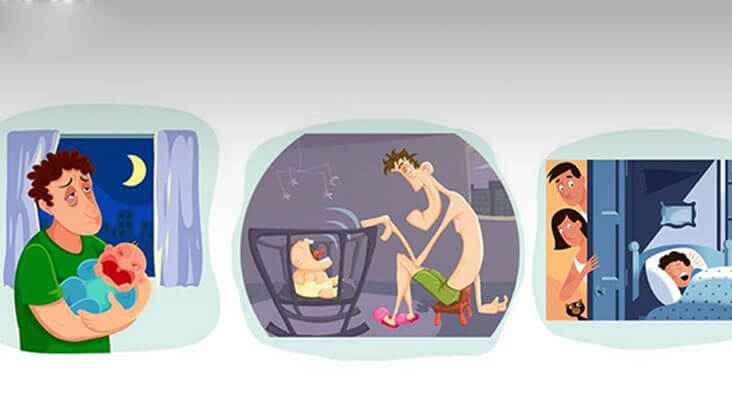
So, the nine months wait is over and there is a baby in your arms! But with the sweet smell and gurgles, also come sleepless nights! Don’t be surprised if your baby doesn’t sleep at night and cries for the whole night, this is part of the deal too! We know that most young parents wonder about how to  get their baby to sleep for eight hours or at least for an uninterrupted 6 hours!

There are many reasons why a baby cries at night, like hunger, a wet diaper, colic, teething problems or the fact that the baby just doesn’t know how to sleep through the night!

We are sure you have grand plans to teach your child beautiful nursery rhymes and the ABCs, however, you need to start with teaching your child how to fall asleep on his/her own and sleep through the night.

Here are some tips to help in sleep training your baby so that both you and your baby can have a good night’s sleep:

Sorting out day and night: Many babies, like to sleep during the day and have wakeful, active hours during the night. The baby doesn’t know the difference between night and day as it was always night time in the womb and probably that is when your baby was most active! We need to establish the difference between night and day. Talk and play with your child more during the daytime and at night bring down the fanfare. Let the child understand that daytime is fun time whereas night time is low key and boring. By two to four months most babies, start to understand the difference between day and night. This is the most important step towards sleep training.

Making a bedtime routine: When things are done in the same manner every day, the child gets a comforting sense of control. A bedtime routine can be like this: Bath > Feed > Story/Lullaby > Prayer > Lights out
It is upto you to create a routine for your baby, which can have prayers, songs, hugs, kisses etc. What’s essential is that the same thing should happen everyday. Tone down your voice and don’t use gadgets like television, tablets to put the baby to sleep. Also, avoid rough house play like juggling the baby or tickling just before bedtime as we don’t want the baby to get excited just when it is time to sleep.

Famous pediatrician Dr. Spock said “Keep bedtime agreeable and happy. Remember that it is delicious and inviting to the tired child, if you don’t turn it into an unpleasant duty. Have an air of cheerful certainty about it”

Bedtime Rituals: There is a difference between a bedtime routine and a bedtime ritual. Some of us may need a particular pillow to sleep, as that has become our habit. Babies are but miniature human beings and they behave in a similar manner. If they get used to being rocked or cuddled to sleep by mummy or daddy, they will demand that everyday and that may become the only way to nod them off to sleep. Therefore, if they wake up at night, they will need the same ritual to fall asleep again.
On the other hand if the baby falls asleep in her bed/crib while lying down, she can do the same thing in the middle of the night.
We know that you love your baby a lot, but for her and your own good, try to make the baby fall asleep on her own when she is 3 – 4 months old. Place her in her bed after the bedtime routine and let her fall asleep on her own. The child may wake up during the night, refrain from picking up the baby if she cries a little. The child is probably between sleep cycles and will go back to sleep on her own.

There are many other questions around sleep and sleep training that a parent has in mind. Here are some questions with brief answers around making your child sleep for the whole night:

How much sleep does my baby need? This varies from child to child. Trust your baby in deciding and meeting her sleep requirement. You just have to ensure that the child is fed, dry and in a comfortable place to sleep. She will get the required sleep during the day.

Benefits of co -sleeping with the baby? There is no concrete study to show us the advantages or disadvantages of co sleeping and independent sleeping. This is a parent led decision. Do what you are comfortable with

Some other tips that may help your child sleep better during the night are these, especially for toddlers:

Shorter naps during the day: Make efforts to keep the child awake during the day by engaging them in play, talk etc. Long daytime naps makes them active in the evening.

Tire them in the day:  Plan their day such, that there are more physical activities like playing in the park, swimming etc during the day. A tired baby will look forward to sleeping in the evening. That’s when they will be able to pull longer hours sleeping at night to wake up fresh and energetic the next day.

Nighty night! Sleep well, sleep tight, sleep through the whole night dear mommy, daddy and child.

Wishing Every Mum A Very Happy Mothers Day !

Mother and child share a unique bond . The child becomes an individual after coexisting with their mum for nine months. However, the mother and child remain a unified entity for ever after! Here is a small list of things that the baby does only to their mother as they see her as an extension of their little self. Happy Mother’s Day!Playing hide and seek – The child plays hide and seek in the folds of their mum’s skirt, pallu or dupatta

  1. Crying at the toilet door – The child cries for the mother at the toilet door, when she is in there.
  2. Stilettoes – The child puts on stilettoes and flaunts it around
  3. Mumma you are the prettiest – Every child says to their mom, one day or often, that “you are the prettiest in the world”

Happy Mother’s Day Mums!

Indoor Games To Play With Your Toddler

It’s summer time! while it’s also fun and games for the kids, as a parent you face the fear of your toddlers getting affected by the scorching heat, which is worrisome. As the summer holidays commence and the kids start repeating “I am bored,” here are some of our favorite indoor games that we as a family indulge in:

Our family’s favorite being Dumb Charades; which is a game that could be played at any given time. We started out by picking out birds and animals for him to enact, and then extended the difficulty level by asking my son to enact simple sentences like “I am very hungry” and “I need food”. This turned out to be so much fun. We later realised that playing this game improved the verbal expressions and also helped him to freely express his thoughts.

Another sit-down game we just adore is Jenga. This game has proven to be one of the best in improving mental and physical skills of a child. For some reason my son avoids playing this game, since his hyperactivity comes in the way. But after regular sessions we saw him channelizing his energy easily, which made him more balanced.

A few card games are also fun and it’s also one of our preferred choices. Card games like Uno or playing memory with a standard deck of cards can remove boredom on a boring summer/rainy day. This also enhances concentration in kids and also improves their memory.

My son’s personal favorite is solving puzzles. It is a great exercise to shape up a child’s creative and problem-solving skills. Start with 10-15 piece puzzles for toddlers whereas kids up to the age of 5-6 can be introduced to 50-60 piece puzzles. Keeps them busy for hours!

Besides enjoyment, fun, release of energy playing games also develops a child’s creativity, problem-solving skills, concentration, communication skills while improving their capacity to master new concepts. It instills the habit of sharing, taking turns, and playing a game by its written-down rules. Make sure you read out the rules to the children before starting.

So let me know what games you play with your children. For now, it’s Jenga time for us!!

Tooth Care And Teething

Isn’t it cute when you finally see pearly whites erupting from the gums of your little one? What we see as cute, is actually a very painful stage that a child goes through. Therefore as parents, it’s our responsibility to ease our toddlers’ pain and help them deal with this agony.

Here’s how you can do this:
Don’t wait for the whole tooth to come to start the ritual of brushing. Wipe the gums after each feed with a wet warm cloth. There are soft rubbery devices available in the market, which easily fit over your finger for the purpose of cleaning your baby’s teeth. Saves your finger too from getting bitten!

Avoid sugary substances from the start. Sodas and juices are off the list especially before bedtime. Avoid putting the baby put to sleep with a bottle of milk or even juices that can increase the risk of cavities in young children’s teeth. Most toddlers have the habit of keeping the bottle in the mouth for much longer time, just for comfort.

Introduce the toothbrush as early as 12 months. There are many soft-bristled baby brushes available in the market, which parents should start using to inculcate the habit of rinsing and cleaning the teeth as a daily routine in their kids. With that already set, start using baby toothpaste at 24 months, as they start consuming more meals and solids on a regular basis.

Choose your child’s dentist and start meeting them since the time your baby turns a year old. It may sound a bit weird to start seeing a dentist so soon, but trust me, some of the dental problems erupt this early. The doctors may advise on special baby tooth care, intake of fluoride, and even issues with thumb-sucking.

Most of the parents’ concerns revolve around swollen gums, drooling or toddlers having high temperature while going through teething. It sure is an uncomfortable process and for kids it’s even more painful, when they are just confused over what is happening. Comfort your child by getting teething rings, rubbing the gums once in a while with a clean finger or even giving prescribed pain relief medicines.

At this age, toddlers are unaware about the reason for their crankiness and hence I can also say- “Parents, be patient and be there for your child to soothe and comfort them.”

Seven Signs That Your Child Loves You

Ever since I held my little boy for the first time ever, my definition of love only became stronger. The way he held my finger or the way he looked at me was simply priceless. However, things changed as he grew up. Our usual hugs decreased but we found better ways to show our affection.

Read on to identify seven signs that show that your child loves you.

1.That smile! The moment that tops the list is the first time s/he flaunts that amazing smile. That’s the best possible way a child can show love to you.

2.Clingy! No, it isn’t a negative thing to have a clingy child. The sense of security that your child feels around you is another form of love. The fact that she feels safe only around you speaks a lot of her/his love for you. And, that’s her/his happy place.

3.Copy cats! The first time I saw my son roll up his sleeves and brush his hair in a familiar fashion, I could guess that he’s copying his papa. Parents are rock stars for their kids and perfect role models that emphasizes on their pure love for you.

4.I love you! The truest and simplest expression of love is when they start saying it out loud. Or when they suddenly feel sad about you being sick and popping pills.

5.Sharing secrets. As kids grow up, they start sharing their deepest secrets with you. And that’s when you know that it’s way beyond just secret-sharing. Parents also need to play the role of a confidante for their children, so that they can learn to express and manage their feelings better.

6.Loud mouths. “My father has the biggest car in the world” was what my son said once to his friend and it sounded so cute. Kids tend to brag a lot about their parents which just talks about how much they admire them.

7.Respect. The best possible sign that I feel is when your child respects you, not out of fear but out of love. They value your presence and genuinely listen to you.

The bond between a child and their parent changes over time. What does not change is the connection that binds them together. This connection is known as affection & love. As much as we love hearing ‘love you maa’ from our little ones, take out time once in a while to call your own mum and share those magic words. It’s worth it!