Fun Games To Play With Kids

We used to travel a lot when we were younger. Train journeys of 48 hours used to become so cumbersome and of course a tad bit annoying for parents of three hyperactive girls. Just to keep us busy and to make sure we enjoy the ride (which we tried to) papa used to invent new games for us to play. One of my favourites was counting the seconds our train passed a tunnel. These simple games used to be great fun and we used to enjoy them so much. Our childhood was spent playing indoor games like “*ghar-ghar*”, “*raja mantra chor sipahi*”, “*office office*” etc.

But times have changed and so has the attention span of kids. It was time for us to reinvent new games when we became parents. Few of the games we actually live by are below. Read on.

Our family’s favourite being **Dumb Charades**; which we can indulge in at anytime whatsoever. We started out by picking out birds and animals for him enact, and then extended the difficulty level by asking my son to enact simple sentences like “*I am very hungry, I need food*”. This turned out to be so much fun. We later realised that playing this game improved the verbal expressions and also helped him to express his thoughts freely.

Another sit down game we just adore is **Jenga**. This game has proven to be one of the best in improving mental and physical skill. For some reason my son avoids to play this, his hyperactivity comes in the way. But after regular sessions we saw him channelizing his energy easily and made him more balanced.

Few **card games** also are fun and that’s also one of our preferred choices. Card games like Uno or playing memory with a standard deck of cards can remove boredom on a boring summer or rainy day. This enhances concentration in kids and also improves memory.

My son’s personal favourite are solving **puzzles**. It is a great exercise to shape up the creative and problem solving muscles. Start with 10-15 piece puzzles for toddlers whereas kids up to the age of 5-6 can be introduced to 50-60 piece puzzles.

By far this is the best indoor/outdoor game which we just can’t stop playing at any age. **Hide and seek**. Hiding under the dining table chairs, under the bed, behind the curtains. I just love the adrenalin rush associated with this game. Plus we always have a hearty laugh while playing it.

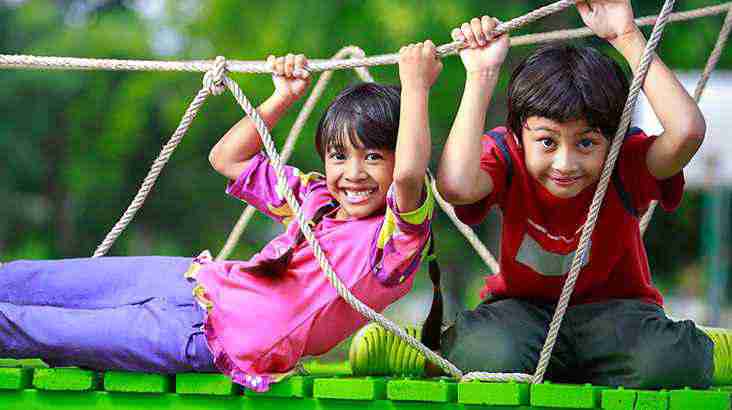
Usually, when we are outdoors with the cousins and the whole gang, we carry our **Cricket kit** along to the park. Playing a structured sport like cricket brings in a lot of discipline in kids.

Besides enjoyment, fun, release of energy playing games also develops the creativity, problem solving, concentration, communication skills as well as mastering new concepts. It instils the habit of sharing, taking turns and playing the game by the written down rules. Make sure you read out the rules to the children before starting.

So let me know what games you play with your children. For now, it’s Jenga time for us!!

Fun With Colours For Kids

The first time I handed over water paints to my little one, I made him sit on the floor, away from the carpets and was expecting him to show me some ‘Picasso’ magic on the sheets. And that’s the mistake I did. I just ruined fun time for him. In the early ages drawing and painting is basically an unstructured play and learning. Yes, it’s supposed to be messy, time consuming and requires a lot of patience. But this experience of learning can turn out to be so enjoyable.

The love for drawing and colours come naturally to most of the kids. They love to hold the crayons, pencils and usually their first masterpieces are the walls of our homes. This activity encourages the imaginative skills and helps the kids to express freely. At one such instance, my son coloured the sun black; upon asking he just said- “I’m missing Papa” (my husband was not around) and he was just feeling low. It is a way of expressing their feelings and harnessing their imagination and creativity.

Start with helping your child in holding the crayons/pencil colours using their fingers and hands. Just make sure they don’t have sharp edges that could harm and injure the kid. And also be there while they are experiencing with them, they have the tendency to put everything in their mouth which might be infectious. Look out for the non toxic crayons available in the stores.

The initial learning’s revolve around teaching them how to make strokes with different kinds of colours. Tell them to make straight lines, circular strokes from different colours in blank sheets of paper. By regular practice, they will start learning to make patterns of different shapes and slowly their erratic crayon activity will diminish. Try involving few games while making them colour, put on a bit of music as kids gets bored with monotonous activities.

Introduce things they see around, trees and houses or animals which they can relate and will help them choose the colours accordingly. Don’t worry if they have trouble being inside the lines. What’s more important is that they can identify colours with the objects given- like plants are green and the sun is always yellow.

There are lot of picture colouring books available in the stores. Grab a few with concepts like flowers, transport, animals etc. Make it fun instead of a mundane routine task which has to happen at a certain time and day. When they get older, introduce water paints and brushes. Beware as it will get messier but a lot more fun. Avoid any sort of distractions while they are exploring the colours especially television.

The most basic point while you try to teach drawing and painting to your child is, you should teach him to observe the world around them and then express them in colours. Put up their drawings on the walls and be appreciative of their cute little creations. Happy doodling!

Milk And Its Health Benefits

It’s a tussle every morning between me and Aarav (yes, that’s my son) over milk. When I have to lure him into taking one big gulp or when he starts making excuses for not drinking it.

Since birth, milk has been an important part of our child’s diet. Baby’s first food- breast milk rich in fatty acids, lactose, amino acids, vitamins, minerals and other important factors make up for the perfect infant food.

When kids switch to formula, which may not may be a very peaceful transition for few infants (as far as I remember, Aarav kept throwing up a lot), it manages to replenish the needs of the body accordingly. Milk is an excellent source of calcium and protein – two essential nutrients for our child’s growth and development. It is also rich in vitamin D, another important nutrient. Unless your child is lactose intolerant there seems to be no logical reason for striking off milk from your child’s diet. The last thing we mother’s want is our little one having some nutrient deficiency.

But how much of milk is good enough? I say, two glasses fit perfectly in our Indian upbringing system. One glass of milk in the morning and one maybe in the evening or before bedtime as the child wants. Warm milk tends to fill up the tummy and lets the child have a good night sleep.

Milk also helps in developing strong bones with its calcium content. So it prevents bone growth disorders and reduces risks of bone fractures. Even though there are other dairy products like cheese, yoghurt that have their own richness in nutrients; milk also contains phosphorous, protein, vitamin A along with some B vitamins, which are all good for the little body. This helps in building stronger teeth as well as boosts the energy level in kids.

Full -cream? Toned? Or skimmed milk? So I had trouble choosing which one is the best or rather suitable for my child when we switched from formula. As per my paediatrician, full cream or whole milk should be given till 2 years as it helps in developing the nerves and the brain. Though later I switched to toned milk and introduced other foods with moderate fats and carbohydrates. Unless the child has a weight problem, do not give skimmed milk.

I read recently, that too much milk is a bad thing. A recent study reported that children having more than three servings of milk in a day gained more weight over time- regardless of whole or skimmed milk. So parents, understand that milk sure is healthy, but does have the calories.

Introduce fun flavours to make milk interesting. Mango-shakes, roohafza milk, chocolate milk can be given if kids get bored of the routine. Corn flakes and oats also add flavour and can be introduced when they get older.

Every child goes through the “*I hate milk*” phase. But we all know its benefits; so mothers top up your patience levels.

Calling Your Child ‘Fussy’ Can Make Them Fussier

“My kid just does not eat” a mother cried out her woes. Fussy eating in children is common and normal. So, take a breath mommies- you are not alone. Though I agree it can be a handful sometimes. Even though it is a phase that passes away as the kids grow up, here are some ways to dodge the bullet and have peaceful meals with your child.

**Don’t talk about it as much**– *“You’re such a fussy eater.”* No. Stop saying this to your child. It’s natural to share your anxiety with other moms; but try not to have the conversation in front of your child. They like to be the centre of attention and this gets them exactly what they want. So take all the focus and attention away from what your kids are and aren’t eating for a while.

**Make meal times a happy time**– Shed all your stress and have a happy and peaceful environment for your child at meal times. Do not pressurise the child by saying- “We will finish the food on our plate today”. Remember the target is not to finish what’s on the plate. Try not to worry about spilled water/ food and don’t even try disciplining the child about table manners at this time. There are times that toddlers are too cranky nearing meal time. So try having a quiet moment to calm your child. You may take the help of the other members in the family.

**Have a meal time table**– Involve your child in setting a meal time table for the week. Give the power to the child to decide what he/she wants to eat once or twice a week.

**Cook with your kids**– This always helps. Whisking the eggs, tossing the salad, making rotis etc will make them more involved in the process genuinely.

**Make food fun**– Go for variety and creativity while serving. Sandwiches cut in interesting shapes, colourful salads, food colours etc.

**No TV**– TV and meals do not go together. Sometimes, it is easy to switch on the favourite cartoon just to feed the child. But it becomes a habit which is difficult to get rid of. It also leads to obesity in children.

Introduce new foods– Serve everything that is prepared. I remember serving ‘*tinda*’ to my son when he was two and slowly he developed a taste for it.

**Don’t bribe the child**– Stop offering chocolates, cakes and ice creams as rewards if they finish the food. Eventually, the kids will start negotiating over dessert.

**Have interesting conversations at meal times**– Kids are an excited lot and would rather spend time exploring things around them than eat. Talk about interesting topics and share stories while they manage to chew their food.

Remember, it is not always about food with fussy children. It has more to do with their independence of choosing what to eat and when to eat. Do not initiate a power struggle with the kids. So next time they throw a tantrum- Back off. Breathe. Unclench your fists. And let this phase pass away.

Let Your Child Make Mistakes

Let your child make mistakes and watch them learn. I remember my father let us three sisters take our own decisions when we were younger. It started out as what to wear, where to holiday and later on what subjects to opt for and certainly choosing life partners. He always believed that that’s the best possible way to make his kids responsible for their actions and making them more confident.

I agree kids these days are smart enough to start taking decisions for themselves early enough. My son when three started choosing his t-shirts and what food he wants to order in the restaurant. And that too without even me trying.

But you must have noticed. as parents we try and protect our children in so many ways. Maybe from getting hurt, or hanging around with the wrong company (I mean bullies here), playing with fire and kitchen tools etc. But what we don’t understand that this is hindering our kids in making their own decisions and instilling fear in them.

So make sure, instead of ‘yes’ and ‘no’ we teach them ‘right ‘ and ‘wrong’. And explain the consequences of doing the wrong things. Instead of saying- don’t go near the bonfire, try telling them- you will burn your hand, and it will hurt. And to be frank, let them get hurt once in a while if they are not listening to you. I know that may sound harsh and un-motherly… but they will learn. Well, my child has learnt quite a few things the hard way.

One incident I clearly remember when my son kept swimming towards the deep area of the swimming pool and I kept shouting from outside- “stay this side… stay at the kiddie pool!!!” In a few minutes when he did not listen, I cautioned a few life guards to follow him closely (of course safety is important) and let him swim in the deep. In no time I could see him losing his breath and he tried calling my name. Anyhow the lifeguards caught him. The first thing he said when he got out of the pool was- I should have listened to you Mumma!!!

So involve them in small little decisions of the family. Take their genuine opinion. You will be surprised how well they respond and react to certain situations. When you give them this power of making their own decisions, trust me they realise the thin line between right and wrong.

So the next time, you see your little one making a safe mistake, let them. Don’t stop them. Watch them experience what life is actually all about. I truly feel that mistakes and failures shape who we are. So let them make a few and see how it makes them more confident. This will help them later on in life in taking their own decisions.

I know this means seeing them getting hurt more often, but haven’t we all learnt this way!

Are You Raising A Chatterbox?

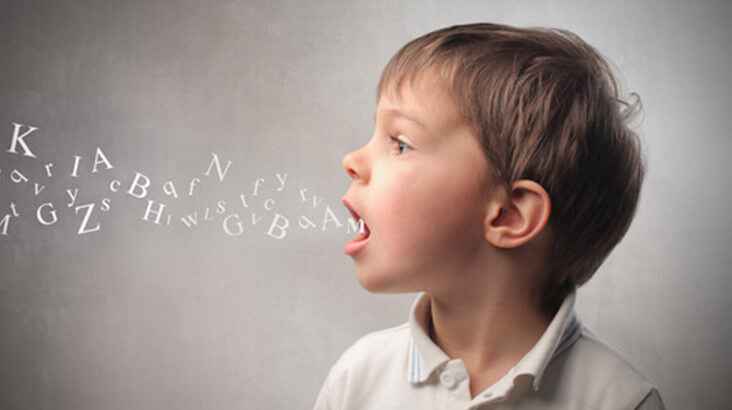
So I was worried. Aarav was over two and hardly spoke. When he started uttering a few words, I heaved a sigh of relief. But when we couldn’t have a decent conversation because we were constantly interrupted by his comments, I got worried again. It wasn’t cute anymore. I don’t know how we reached here. Later on I found out he is sharing our family talks with his friends and relatives.

How ironic this is, that we as parents force our kids to respond, talk, perform, sing at the most unusual situations. And then when they grow up and this habit becomes annoying that we start *shhhing* them. If you have gone through any of the above; you are surely raising a chatterbox.

Teaching your children when NOT to talk has to start early. It may sound cute when they meddle in adult conversations in their innocent baby talk; but it may drive you crazy sometimes.

Aarav is an auditory child. It would appear that he’s busy with his building blocks sitting in a corner but his ears would intently listen to our talks about office which I shared with my husband every evening. I was surprised one day, when he came up to me and said “*Don’t go to office if she’s troubling you so much*.” And that was our cue. It may sound difficult but stop having serious conversation in front of your children. You never know when these blabbermouths will blurt out your secrets.

Explaining to your child the meaning of secret also is a must. You can’t just say “it’s a secret” and get away from it. Tell them, some things are only meant to be shared with your parents and it’s our little family secret.

There are other ways to encourage silence and subtle behaviour in your child. And one of them is having a quiet family time minus the gadgets and television noise. Use this time to CONVERSE as well as LISTEN to each other. We take turns in sharing about how our day went without interrupting each other. The basis here is to listen more than talk. There was also a time we had to enforce the raising hand rule when he had something to speak.

I have also faced many embarrassing moments when my chatterbox aired few of our family secrets out in the open. So we established a secret signal. I used to gently cough to get his attention and twitch my ear, which meant “stop talking”. Trust me; it took me a while to get this in practice. But it works like a charm. This is a like a silent reminder to your kid and also stops you from getting embarrassed in front of your family and friends.

In the end always listen to your children attentively. Let them speak their heart’s content after they come back from school or from the playground. There are times when you will hear repetitive stories but don’t be impatient. Talkative behaviour in kids is a phase and passes really quickly.

Cartoons Your Child Will Adore!

Remember Bugs Bunny, Tweety the Bird, He-Man and Mowgli. Well if you remember these, then you are the 80’s born and these were our only relief to the endless boredom in the summer holidays. But now, it is an array of cartoon characters that are being aired on television and our kids are just glued to them. Some of them are really disturbing I must say.

I really wish, Popeye-the sailor man would return on television. I just loved watching him. He was a simple sailor in love with his girl- Olive and his spinach. My mother used to always- “you want to become strong, eat your spinach” And so Popeye taught us that eating spinach is good.

The funny nuances of Tom and Jerry, am sure no one can forget. Me and my son still watch a few old episodes of it on Youtube and have a hearty laugh. Why I love this- because it is so simple and funny. Also size does not matter. Do you remember how Jerry was so small yet so fearless? And it also taught me that cat and mouse can be friends as well.

I am actually a bit worried about what kids watch these days. And one of them is Doremon. I know it must be a favorite of most of the children. But my son used to imitate Nobita every day- by not doing his homework; lying on the floor and whining and what not. And that’s when I decided to block this for him. When we choose the cartoons/ programs our children watch, we should ensure how it will affect their personality in the longer run. Cartoons are their ideals for a very long period of time. So it has to be wise decision to make them watch the appropriate content.

But it’s okay to have at fantasy. Of having the super power to fly or save the world from evil. How cute kids look in their towel made capes imitating Superman and trying to save the world or bringing down evil by helping people. But here again is a minor difference between saving and fighting. There will be a phase when children will enact all the stunts at home; punching in the air, kicking while walking etc. Let them, as long as they don’t practice it on you and other members. Teach them that these characters are fictional and only exist on television.

There are some cartoons that air only in Hindi. It may sound weird, but don’t allow your kids to watch it and emphasize viewing cartoons only in English. The reason being the Hindi language being used is a bit quirky that is easily adopted by the kids.

Cartoons are not bad. They are funny. But the only thing is they are too many. So like I said earlier, have an allotted TV hour, in which kids are watch 15-20 minutes of their favorite cartoon. Sit with them, enjoy and have laugh. Ding Ding!!

Finding The Right Pre-School Or Nursery

I am the anxious types. No, let me rephrase that- I am the overly anxious type. So when the time came near to choose a pre-school for my son, I became berserk. Most of the parents will agree that choosing the right pre-school/nursery school is certainly a task and requires detailed research. After all, it’s our kid’s first step in to the real world and we want safe hands to nurture them. There are no set parameters, but being the ‘checklist’ person, I had my own aspects while zeroing down on the right pre-school. In no particular order, read on to find out:

**Curriculum & Methods for learning**: If you google enough, you are most likely to get confused by reading the various American methodologies of pre-school learning. To explain in simple words, the pre-school program should be a mix of structured and unstructured methods that enhances learning through spontaneous activities at a kid’s own pace. A perfect blend of free style play and structured system should be the focus of the curriculum.

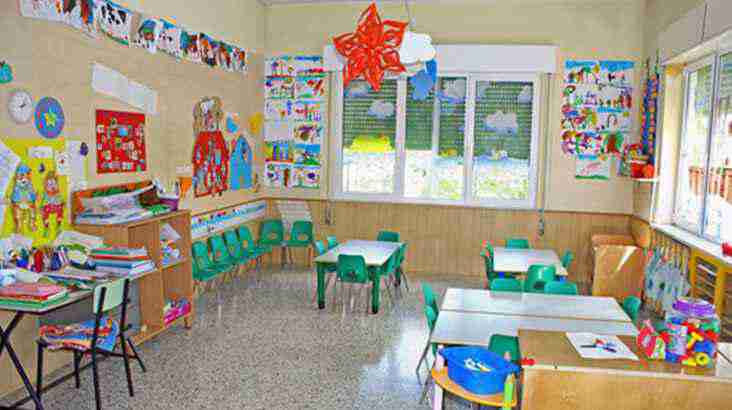
**Infrastructure**: Bigger the building, better the school! No. Don’t get confused with enormous buildings and even bigger play areas. What I mean is the school should be equipped with basic infrastructure like bright classrooms, play areas in the open, audio-visual centres, medical aid room etc.

**Location**: Yes, that’s one of the factors that I consider important while making the list. Technically, kids are heading out for the first time and I would rather not make them travel for hours to reach their school. So I sorted the ones that are close by our residence as well my workplace to avoid the unnecessary travel. This came in handy while handing emergency trips to the school.

**Cleanliness**: On my visit to one of the pre-schools, I literally roamed around to whiff the bathrooms; I know that sounds a bit filthy but it is a relief to see spic and span bathrooms. The cherry on top was the loaded soap dispenser. After all my kid would be sharing this with other children. We all know that kids are easily prone to illness hence basic hygiene and cleaner surroundings would prevent them from falling sick.

**Safety & Security**: Eyeing the security guard who was not a scary fellow, to the grills on the windows, the railing on the stairs and age appropriate safe play ground equipment, I heaved a sigh of relief. Safety and security are major selling factors of a pre-school and I feel it is important for us parents to inspect these before short listing. Make sure the school has enough fire extinguishers and open spaces /fire exits in case of emergency.

**Attitude**: Teachers always tend to be warm and polite. But here I am referring to the didis and the bhaiyas who help our kids in the class/washroom or on the sports field. Their attitude and behaviour also filters down to our children.

**Fees**: We all have budgets. And therefore, this is also an important factor. The fee breakup usually consists of tuition fees, computer charges, development fees, sports equipment etc. An additional cost is incurred in books, uniforms, kits, transportation, meals etc. So you’ll most certainly have to shell out a good amount when your child starts regular school.

In the end talk to the other parents and get the feedback. Most parents like me will be happy to offer their insight and advice. And this will help you in making an informed decision. Trust your instincts!

Top 4 Things To Include In Your Summer Fun Calendar

I am sure, all of you have planned your kid’s summer vacations- enrolment in a 2 week summer camp with lots of art and craft activities, one or two weeks at nani-nana house, a week stay at the nearby hill station and then back to the grind of finishing the holiday homework just in time before schools reopen. Is that your summer itinerary? Now don’t worry mommies, I am in the same boat. But this summer I have customised our summer holiday schedule to something more pleasurable. Here goes:

**Learn**– Kids at an age of 2-5 are like sponges. They grasp easily, are inquisitive by nature and are quick learners. Use this to your advantage. Make them learn a new skill or a sport. Swimming is by far the best exercise kids can get in the summer. Try making them learn a musical instrument. Or have daily karaoke session at home singing your favourite songs. If you are lucky enough and have a third spoken language, besides English & Hindi, cultivate it by conversing in that language with your children. Cooking can also be a good way to give kids control of something important. Make them in-charge of salads and lemonade which is the easiest way of fireless cooking.

**Create**– Kids just love to cut and paste stuff. Create a photo journal. Help them pick out objects throughout the day, maybe a leaf, a pebble, a feather that they can paste in their diary. Have a dedicated time when they can talk about it. Provide them your childhood photograph while you were vacationing with your parents. Name the diary as “Summer of 2016” and let them revisit when they are older.

**Travel**– and not just to the hills. Yes, i know it is unbearable heat outside and you would avoid outdoor trips. But visit to places where they can explore the history of the city. Delhi National Rail Museum & Doll Museum (air conditioned by the way) are such places that your child will enjoy. A trip to the nearest water park also might be a good enjoyable experience.

**Write**– Most mothers will not agree to this as a fun activity. It’s so difficult to make them write. But tell them -write with water paints. Or a letter to their grandmother asking her how she is? Help them decorate their personal secret diary. This not only improves the handwriting but will also help them in expressing their feelings.

Summer time is the best time to bond with your kids. It is like unravelling a different side of your child’s personality every year. This is the time to harness a lot many skills like visual learning, fine tuning the gross/fine motor skills, teaching them about appropriate social behaviour etc. So revamp your summer schedule into something more fun yet structured and motivating for your children. Don’t forget to click pictures. After all we mothers need memories too. Happy Holidays!!

Fighting Allergies & Asthma

Can we really protect our kids from allergies and asthma? The answer can be a yes and also a no. My mother is suffering from bronchitis asthma. And so I have inherited this from her. When my son was born, I dreaded the passing on of this genetic legacy. And yes, he too has few of the symptoms.

Many allergies are developed in the first two years. That’s when the immune system of the baby is also being developed and strengthened. The best way to protect your child from having any allergies is boosting their immune system. Ensure the baby is on breast milk for at least the first six months. I kept worrying, if my sea food allergies would pass on to Aarav. But I am glad it didn’t happen that way. However, it is unlikely, that nursing moms will pass on their food allergies through breast milk.

Another way of protecting babies /toddlers from allergies is to protect the air around them. Keep the baby away from the kitchen area, domestic fumes, smokers in the family and the usual pollution caused by vehicles. Avoid having a stroll with the near the busy roads or smoking areas.

Some of the clear signs of having an allergic reaction or asthma are coughing, wheezing, runny nose, red eyes and feeling short of breath.

So avoid making your child drinking chilled water from the refrigerator. Though warm water is always the best option to have, but kids these days never listen. Cold water aggravates wheezing and makes the asthma worse.

Keep your house dust free. Sweep, mop, and dust your house every day. Rather, avoid accumulation of dust on carpets, sofas and curtains. Vacuum your carpet every 15 days as dust settles in very quickly which is inhaled by your child almost every second. Doing wet mops also settles the dust but that’s not a permanent solution. Maintaining a clean environment at home will prevent asthma attacks in children.

The best way to protect our kids is to stop or control the triggers that cause such allergies. Some of the ways to control the triggers are mentioned below:

• Keep away plants with pollens

• Pets also trigger common allergies, so keep them away till the allergies don’t subside

• Avoid cold water and weather. Keep your baby wrapped

• Avoid being around smokers. It has been observed that exposure of second hand smoke (tobacco) increases the development of asthma and other chronic respiratory illnesses.

Another way of protecting your child is to introduce daily exercise or yoga in your child’s routine. Breathing exercises help in improving the tracts of the lungs and delays or prevents allergy and asthma attacks.

If you observe that your child may start developing regular bouts of asthma or breathlessness then consult a specialist and seek help. There are various tests that can confirm what type of allergies your child has. The right medicines along with proper physical exercise can prevent such attacks.