Recommended Toys For Toddlers

There was a time when I used to buy everything and anything from the toy store for my son. Later on I realized that few of them were not even appropriate for him to play. Some were dangerous and some even toxic.

I never knew that choosing toys for your kids could be so cumbersome. Till your kids start pre -school, toys are the only way of having fun as well as learning. So yes, choosing what kind of toys your kids play with is essential.

Here are some of my favorites which are fun as well as have the learning edge (yes, I never forego that):

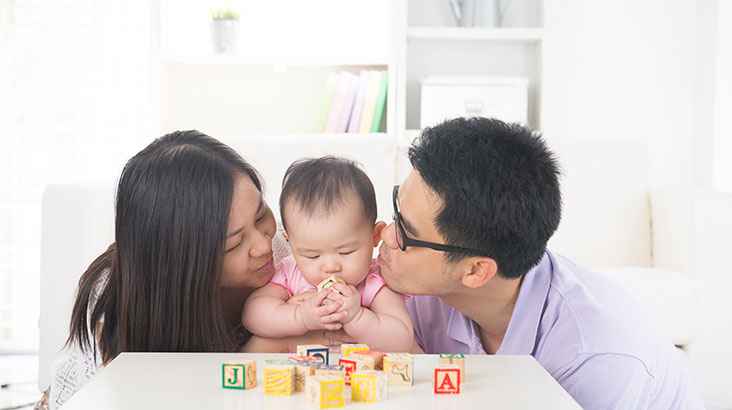
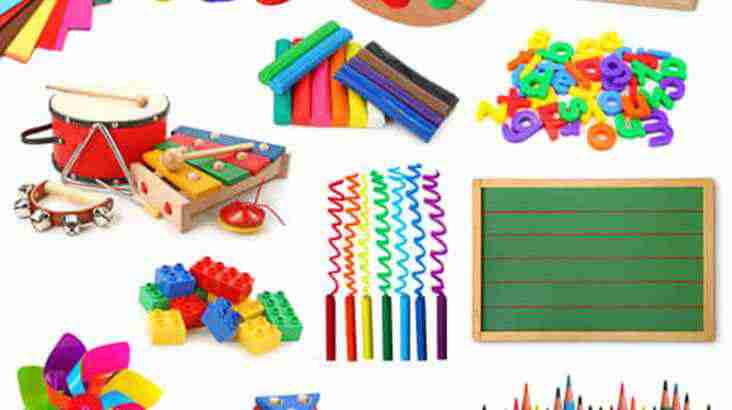
1) Building blocks: These are the best toys that I have come across and my son loves playing with them. We started off with simple 5-6 colored blocks which he used to stack together I used to roll them over again and again. Later on we introduced Lego and he loves it even now. Blocks are known to increase the creativity in a child, one day they make a tower and the next day make a phone.

2) Toys with music and lights: Babies love music and lights. So pick out the ones with the less flashy lights that do not hurt the eyes and music that is soft. There are many musical instrument based toys that are available in the toy store.

3) Play doh: though not a toy, but equally important in harnessing creativity as well as gross and fine motor skills in your child. We have always loved sitting on a lazy afternoons making animal figures with clay.

4) Kitchen and garage equipment: I still remember playing with kitchen equipment while I was younger. And so proudly I bought one for my son. Surprisingly, he loved it. My husband being an amazing cook was the secret behind this. Aarav loved playing with his kitchen tools as much as his garage set. Engaging your children in these sorts of tools helps them relate to them in real life better. And one suggestion here- Don’t keep the kitchen tools away from the boys and the garage tools away from the girls. Introduce them to both.

5) Cars/Trucks/Dolls: Playing with dolls and trucks are one of the favorites for all kids. It also makes them sensitive and encourages nurturing in them. Observe your kids when they are playing with cars/trucks and as they tend to get more aggressive while playing with them.

6) Science/Math experiments: As kids grow older, there are many options available in the market related to science and math experiments. These games are fun, experimental and teach a few concepts too. Just remember, some of the experiments may require parental guidance.

Toys and games are the best ways to pass time till kids start school. So, do not make all toys available to your kids all at once. Hide a few in the closet and bring them out only on a weekly basis. This way it will keep their excitement levels intact.


Are You Fighting In Front Of Your Kids?

The one major difference between my parents and me as a parent is- they never fought in front of their kids. This is a major confession I am making here it on this platform. And here is the story of how I stopped doing that.

It’s quite natural to get into arguments with your spouse that at times flare up so badly that you wished you hadn’t started the conversation in the first place. And that too in front of your kids! Arguing and fighting in front of kids is considered to be the worst type of parenting I’ve known.

So basically, kids look up to their parents in very way. They want to be like you. They want to dress up like you; talk and walk like you and also copy you in their own little cutest ways. So what happens when they see you both (read both) shouting and arguing with each other? They copy that too. Trust me the aggression passes on to them so quickly that there is no way you can take that back.

*“Shouting is wrong, be polite”* is what most of us teach our kids. Are we following what we preach with the closest relationships in our homes?

Here are some tips, me and my husband invented to deal with this.

We did not fight. We negotiated. It is very important for the kids to understand that there many chances of having difference of opinions between two individuals and the best way to sort it out is to communicate. Avoid shouting. In fact, keep your volume low than your usual tones while having THE conversation.

What kids need to understand that shouting and arguing is not ok, but solving out differences is mandatory and it can only be done in a peaceful manner.

Fighting in front of kids has many negative effects. It makes them aggressive which may be exhibited in school or at the playground. It also raises their anxiety level and lowers the confidence levels.

They become too emotional and are unable to make new friends or even trust their relationships as they feel all relationships end up fighting like their mom and dad.

The best way to avoid a fight in front of your kids is by withdrawing participation. Use silence as the key and wait till they leave the room. Use words that are helpful in calming down your spouse that also your child understands; like “I know that is upsetting” or “I am sorry this is happening” “ and the best is “I don’t want to fight with you”.

We are the first role models of our kids. They look up to us and admire us in every way. Don’t ruin your own image in front of your children by fighting and teaching them ways to adapt such behaviors.

Just remember parents, anything that needs to be said can be said with kindness including disapproval, disappointment- everything can be handled better with kindness and patience.

Art Of Story Telling

Honest confession! I am terrible at story telling. I can read, well yeah but I can’t make up stories. And so conveniently, I passed the buck of putting our son to sleep with a bed time tale to my husband. And so this is what I learnt from him.

Story telling is not mere telling a story. Ek tha raja, ek thi rani, dono marr gaye khatam kahani! Haven’t we all heard this short and sweet story? But it goes beyond that. I remember my childhood days, when our grandparents used to slowly inch out stories that made us enter into the world of imagination.

So, that’s the art of story -telling. It makes you create a world of fantasy and imagination. The next time you’re narrating a story to your child be ready to use these handy tips.

Have a different tone for story- telling. This is a tip that my husband gave me. He says- don’t use your scolding tone while you are telling him a story. It made sense. Story-telling has to be special. So lower your tones and whisper in between to create that effect.

Embrace your child while telling a story. Hold them close and pat their head. Keep the physical proximity close while narrating stories to them. This will deepen the bond that you both share. Choose your story wisely. Usually stories are about experiences to learn, or morals to understand. Try not to have stories about super heroes and over the top fiction that may harm your child’s imagination.

Another basic principle about story-telling is the atmosphere. Turn off the television, keep away the gadgets and magazines and get comfortable. The lighting of the room is also important. Make sure it does not distract you or your child.

My son is seven and up for a story every night. Sometimes even my husband gets out of ideas. So, I’ve purchased some really good short bed time tales that now they both read together. It is so much fun to watch them doing this. And I must compliment the superb voice modulation. From the high tones to the soft whispers keeping him engrossed deeply in to the story. There was this one time, when a very interesting story-telling session was going on, which even gripped me. And I listened to the story so intently, till my son dozed off and the suddenly the story narration stopped. It was so interesting that I told him to finish it. It just made him smile.

Story-telling is a way of nurturing your children. It contributes so much in building their personality, towards their academic success, vocabulary and harness imagination. It helps in supporting the daily life skills and one of them is active listening. It increases their patience levels so much that it has been observed that children who listen to stories on a daily basis have a lot more patience levels than kids who don’t.

So there you go! Learn the art of story-telling and watch them grow!

Binge Eaters & How To Handle Them

*Paused in growing up but still “growing out”?* Are you buying clothes that are way above the age level of your child? Does your child want to finish everything on his plate as well as table? Does he breathe heavily after finishing a meal? Then you are surely around a compulsive /over eater also known as binge eaters. Alert your mind right now while I tell you how to monitor your child’s eating habits.

I recently wrote about fussy eating habits in children, which is basically a phase in kids that dies down in time. But this is completely the opposite of picky eating. The over eaters generally love everything they eat. They devour their food and you won’t have trouble feeding them.

But you wouldn’t want unhappy and unhealthy kids who will turn in to miserable adults trying on different weight loss programs. Trust me dealing with a binge eater is way more difficult than handling a fussy eater.

Over eaters generally stuff food with 2-3 servings of foods or even more for every meal they have. So start by serving small portions of servings. My son is used to having 2 portions of rice (that being his favorite, he can have tinda with rice), and psychologically it satisfies him that he is well fed with his TWO large servings. So later on, I insisted on two small helpings of rice reinstating that he has had his usual two.

Another trait of an over eater is not realizing when they are full. Most of the kids relate to satisfying their hunger till the time they can’t stuff their tummy anymore. Therefore, they need to know that their hunger pangs will not be immediately satisfied after eating their meal. They need to wait a bit longer to feel the content.

Over eating in children is also a get away from the emotional stress and issues that they face almost every day. A bad day at school or a fight with a friend can disturb them and hence they eat to their heart’s content to stress it out. So look out for symptoms like when they are hogging on their not so favorite dish when they are sad, angry or depressed. I have also noticed my son fishing out a snack when he is bored and has nothing to do, especially after meals. So the best thing is to involve him in a puzzle and get his mind off food.

Like I wrote in my articles earlier, do not mix television and food. There is a scientific study that states eating while watching television makes kids obese. So have a healthy meal time away from the tube.

It’s always better to teach your kids to wait and stop while eating. Do not force on eating a standardized portion in terms of quantity every day like “2 rotis” or “2 bowls of rice” which becomes mandatory or else their meal is considered incomplete.

Finally ensure on deworming your child after talking to your pediatrician to ward off unnecessary hunger cravings that occur due to worms in the tummy.

Right Routine For Kids During Holidays

Until the age of three, my son was still not settling in any particular pattern or a daily routine. Most of the times he slept late, had longer afternoon naps and hardly had any regular meal timings. This worried me as I knew he would be starting pre -school soon. After talking to a few mothers, I finally decided to chart out a routine. I divided his day in 4 parts- Morning, Afternoon, Evening and Night.

Mornings

Even though an ideal wake up time differs between families; I consider anything between 6 am-7 am as the perfect time to wake up your child. Set an alarm and keep reinstating the ‘Wake up time’ throughout the day. The early morning activities like brushing, potty should be the next steps followed by milk. Most parents prefer giving their kids a bath first and then breakfast. And some parents vice versa.

Talk about how theyclass=”mt-0″ would want to spend their afternoon. Provide them with choice of their favourite activities. Give them the power to decide.

Afternoons

Afternoons are the best time to engage in independent creative activities. I used to engage my son in a lot of cutting & pasting activities, play dough, building blocks for over an hour. This helped him learn as well as kept him busy too. Planning indoor play dates is also a good idea. It encourages the art of sharing and increases the child’s sociability factor. The little ones start getting hungry and cranky by 1 pm, that being the best time to serve them lunch. And after that it’s time for their nap. Nap duration can be anything between 1-3 hours depending on how soon kids get rejuvenated.

Naps are important. It is also crucial for the mental and physical development of the child.

Evenings

This is the time to hit the outdoors. Usually 5 pm-7 pm are ideal outdoor timings considering the weather. Parks, cycling, skating, ball games, walking the dog are great ways to channelize the energy and also engaging the kids in structured play. It’s a good way to get the physical exercise as well as making them learn about appropriate community behaviour. By 6.30 pm-7 pm it’s time to bring them back to their comfort zone. So head back home and make them wash away the dirt with a warm shower.

Parks are the cheapest and an easy accessible place to have a fun time.

Nights

Dinner time for families with young toddlers should be early. After their park and shower time, kids are hungry and dinner should be served to them between 8 pm-9 pm. Setting up the mood for bedtime is also important. Activities like changing into night pyjamas, straightening the bed, dimming the lights, reading the favourite bed time story can be initiated. Also use this time to recap the day and set targets for the next day.

Night times are best to have the most interesting conversations with your child.

There is no one perfect routine mommies. So create one according to your child’s needs. Draw out a Daily Routine Chart and put it up on the fridge.

But remember, the idea is to facilitate and not force the child to live in a certain pattern. So make sure there is scope of a little flexibility in the time table.

3 Ways To Make Your Child Eat Fruits

Are you worried that your kid does not eat enough fruits? Then read on for some tips-

At this time of the season the market is flooded with fruits like mango, watermelon, musk melon, litchi, grapes, papaya and peaches et al. While banana and apples being available throughout the year, there is a huge choice for us mommies to get creative and bring out the best ways to make our kids get their daily fruit intake.

Even though my son wasn’t a fussy fruit eater (knock on wood), I suggested few of my friends on how to make their little ones enjoy fruits.

**Eat the whole fruit**– One apple. One banana. One orange. ONE WHOLE FRUIT. And you’re done. Eating the whole fruit is always considered healthy and filling. Hand them an apple while they are watching their favourite cartoon, or make them gobble up a banana between the meals or a bowl of grapes just after their play time.

**Cut them creatively**– Kids are fussy. And mommies, we need to be creative. Try cutting the fruits in different shapes and sizes to make it presentable. Make it visually appealing for them. Hand them a coloured plastic fork and see them gorge on.

**Shake & Juice it up**– The next best way to add fruit in your kid’s diet is blending them. It may seem a little bit of an exercise but it has amazing results and kids love it. Mango milkshake, strawberry smoothie, orange and watermelon juice are just a few ideas. Again, the presentation is important. Have tall plastic glasses with funny straws to add the effect. I am sure they would not resist this at all.

Mommies, If they see it, they will eat it. If they don’t-they won’t. It’s as simple as that. Make sure, kids know where the fruits are kept in the house. Have small boxes with their name tags of their favourite fruits just in the front shelf of the fridge so that it’s easily accessible to them.

Importance Of Different Vitamins In Your Child’s food

“Maanit, finish your vegetables….you need the vitamins…..No fries”

We all have addressed our kids similarly, at some point or the other, haven’t we? So what are these ‘power houses’ and why are these vital for our kids and us? Theoretically, vitamins are crucial for the growth and development of our bodies.

So let’s talk ‘health and nutrition’. Different vitamins have different roles to play in our anatomy. Our bodies are self sufficient, with regard to the vital nutrients. But with vitamins, we need to be more vigilant about the food we eat. The trick is to eat a wide variety of food products, so that we can consume the necessary amount of vitamins. We need to have a generic idea of the different vitamins, so that we can understand what our child needs. Let’s start alphabetically:

**Vitamin A**: Crucial for our eyes. It helps us to recognise colour, fight infections and enhance our immunity. Our children need a lot of A’s in the food, namely

* Milk , butter

* Pumpkin, papaya

* Carrots and sweet potato

* Spinach, bell pepper

**Vitamin B:** These are quite few- B1, B2, B6, B12, Niacin, Biotin, Folic Acid and Pantothenic Acid. These are crucial for our metabolism. They produce energy for our bodies and also make RBCs. Now here is what I would give my son to eat to get’ B-eed’:

* Dates, pomegranate

* Peas and beans

* Green, leafy vegetables

* Whole grains (wheat, oats)

* Turkey, tuna , liver

* Eggs, dairy products

**Vitamin C**: This has healing powers; it heals wounds. It also helps to maintain our kid’s body tissues, like bones and gums, in great condition. The ‘Big C’ helps our bodies to fight infections. Try and include the following in your kid’s diet, to be blessed with this magical vitamin:

* Cabbage, broccoli

* Kiwi, strawberries, citrus fruits

* Tomatoes, red pepper

* Liver

**Vitamin D**: This, my friends, is the best friend to our child’s bones. It helps to bite better, too (bingo….strong teeth). It is like a backbone for vitamin C, as vitamin D helps in the absorption of C, by the body. The easiest way for our child to get his daily dose is by literally ‘Sun bathing’, our body produces it naturally. A few external sources are:

* Milk with vitamin D supplements, tofu

* Egg yolk

* Fish, liver, mushrooms

* Fortified cereals

**Vitamin E**: This is the ‘knight in shining armour’ for our children. It protects our kid’s cells and tissues and keeps the RBCs healthy. Our child needs the following to improve his ‘E’ intake:

* Egg yolk

2. Wheat, oats and other whole grains

3. Broccoli, parsley

4. Seeds and nuts

5. Vegetable oils ( e.g. Olive, sunflower)

**Vitamin K**: My son calls it the ‘Clotter Plotter’. Yes, this vitamin literally prevents us from bleeding to death. It facilitates clotting. Our children require the following:

* Broccoli

* Eggs and dairy products

* Cereal grains, pasta

* Green, leafy vegetables

The food sources mentioned for each vitamin are just a few, of the many.

As a mother, I have realised that getting vitamins through natural resources is better than supplements. I have always tried to get my son to eat a large array of food, lots of greens, orange, yellow, red, purple. He loves it and I love to watch him grow healthy and strong .

Role Of In-Laws In Parenting

Becoming parents is a wonderful feeling. I was ecstatic when my son was born, after almost six years of marriage. Like all modern families in our present times, I, too, live in a nuclear set-up. But the difference lies in the fact that my parents-in-law have already left for their heavenly abode. My husband is the youngest in the family, with four elder sisters, who are the only in-laws that I have.

My mother has been my role model, So, I have tried to raise my son the same way my mum has raised me. She has always been my mentor, my guide, my encyclopaedia. I have always stuck to specific timelines with my son, with respect to all his activities. To elaborate, there is an appropriate time to go to bed and to wake up, a designated time for meals, a scheduled time slot for studying and so on and so forth. I have also been immensely particular about his diet, extremely nutritious, with a wide array of food products.

So, initially, when my sis-in-law would ask me to do something differently, I would feel so very uncomfortable. They, contrary to mum’s point of view, have always believed that a child needs to be allowed to grow freely, without restrictions. He should be the sole decision maker, with regard to activities pertaining to him. I found this quite strange. How could I ever allow my baby to make important choices for himself? How could he ever decide if he needed two glasses of milk or none? How could I ever let him stay up past his bedtime, just because he wanted to watch his favourite TV show?

But now, when my son is six years old and I have tried to adopt the seemingly divergent ways of parenting, I realise they are both effective. Yes, the healthy food habits will always remain with him. But we can always tweak a few rules, like the ones related to his bedtime, especially over the weekends. It is amazing to see the huge grin on my son’s face, when I let him watch TV till 10pm; when I surprise him by ordering a pizza or a burger, on a weekday (yes, I have changed and how!); when I let him skip milk for once.

I totally credit my sisters-in-law with this positive change in me. In-laws can teach us and our kids so much, just like our own mum and dad .The stories (old and new) that they especially weave for our little ones, are so educative and entertaining. My in-laws are amazing with my son. They play with him, teach him art and craft, take him out for walks, tell him the importance of love, sharing and mutual respect, and introduce him to the wonders of nature and so much more.

Yes, parents are the most important people in a child’s life, his role models. But grandparents are irreplaceable (maternal and paternal, our in-laws). My sisters-in-law play the same role in my son’s life and I am indebted to them, forever.

Nature And Your Child

Nature is our greatest teacher; that is why we refer to her as ‘mother’, protecting and nurturing us.

I had always wanted my son to be a ‘nature’s boy’, one who loves the outdoors, jumps around like a frog and plays gleefully. He has gradually grown into one☺. He has never really been addicted to this menace, the TV. But as he is growing, he seems to be suddenly drawn towards these games on play station and other similar ones (influence of the peer group, I always tell myself). I never really tried to restrict this as I consider my son to be way ahead of his years, in maturity; so I was certain that he would know where to draw a line. Moreover, in all honesty, I think I was a wee bit selfish because his time with the games meant a lot of ‘me’ time for me. I had recently started to write professionally and needed all the time in the world for this.

But one day I realised that intervention was required, when my son remained glued to his PS3, for 5 crazy hours. It was a wakeup call. I literally dragged my baby out for football; you cannot imagine the amount of fun we had, screaming, laughing, and running☺. I realised that day, that a child is intrinsically connected to his surroundings, he just needs to rediscover it. Let your child experience nature in totality, walk in it, explore it through his senses.

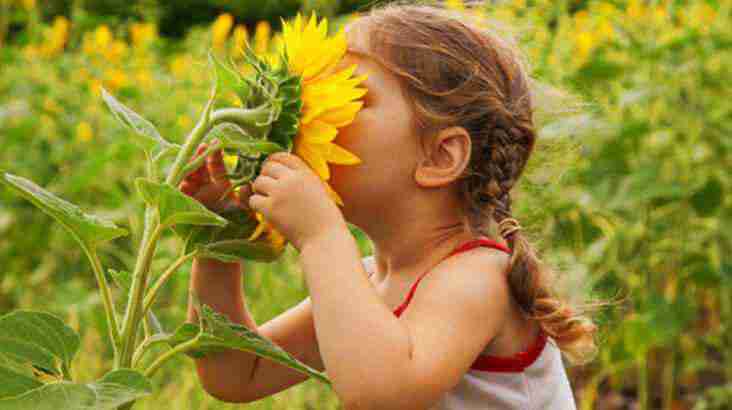
You need to build the excitement, create experiences for your children so that they are eager to rush back into the arms of nature. Taking walks in the park works wonders for my son and I. If you have a garden in your house…you are blessed. But for those (me, too) who live in those sky high condominiums, a park is perfect. Let your kid walk around, be observant, inquisitive. Allow him to collect random stuff, like twigs, leaves, pebbles, even bugs (my son loves to collect lady bugs in small bottles and pierces holes in the cap so that they can breathe).

You can create your own fun activities. Set up a tent outdoors, ask your child to build stick figures, allow him to pretend play, about super heroes and monsters or whatever else he wants. Free play is extremely beneficial for our child’s growth. It enhances his ability to imagine and create. The child also learns to entertain himself (especially important for parents with a single child, like me).

My son has his personal ‘green ground’. I have a lot of potted plants and my son has his own plants, too.He is so sincere and affectionate in the way he takes care of them. He knows that they BELONG to him. Our children need to take ownership of their environment, so that Mother Nature is allowed to blossom and they can continue to enjoy its magnificence forever (cross my fingers).

You inspire your child, he tends to emulate you; he is your reflection. Let him see you soak in the beauty of the surroundings and he, too, would feel this oneness, with nature.

Go Green!!!!! ☺

Reasons And Remedies For Digestion Problems In Children

My son was colic when he was born. I have a lot of painful memories of those early years, when he used to cry incessantly, due to discomfort and I felt so helpless.

Problems with regard to digestion usually begin when weaning is initiated in our child. A few of my friends feel that it is quite normal for a baby to throw up after a feed. Yes, at times it is, yet we need to be cautious and observant of any conspicuous symptoms that might suggest a problem.

Tummy aches are common in children. More often than not, they suggest the need to answer ‘nature’s call’ or over eating. But then again, they could be related to some underlying, digestion problem. Let us take a look at some relatively common digestion problems that may affect our children.

Food Allergies

This simply means a reaction of the body to a specific food .For instance; my son is allergic to fish and has a bad tummy when he eats it. A few symptoms are cramps, diarrhea, vomiting and laboured breathing. Generally, babies need to be exposed to the same food for at least three consecutive days, to check for allergic reactions.

Some foods that can cause problems are milk, eggs, soy, nuts, fish and gluten.

Lactose Intolerance

The root cause is an inadequate amount of the enzyme, ‘lactase’ in the body. Due to this, the body is unable to process and digest ‘lactose’ found in milk and its products. The symptoms include cramps, flatulence, diarrhea and nausea.

Since milk is best avoided, we need to ensure that our child gets sufficient calcium. Do include green vegetables in the diet (broccoli, turnip) and even fish.

Colic condition

It tends to affect babies in the early months, after birth. The reasons can be various; Problems adjusting to a changed environment, from the secure confines of the mum’s womb to the harsh external conditions. Some babies produce more gas as their incessant crying causes them to swallow more air. Babies can also be allergic to milk, which leads to abdominal cramps.

Consequently, the major symptoms are lots of crying, discomfort and cramps. Fortunately, babies soon out grow this condition.

Diarrhea

It is characterised by watery stools. It can be accompanied with nausea, vomiting, abdominal cramps, fever, flatulence; even bloody stools. Medical intervention can be needed, so be careful.

Diarrhea is normally caused by food allergies and viral or bacterial infection.

• **Irritable Bowel Syndrome** also leads to digestion issues.

I have a personal ‘***non-medicine box***’, as an effective cure for some of these problems:

1. Probiotic food like yogurt and buttermilk. The good bacteria in these balance

the bacteria in the gut.

2. Asafoetida (hing): It is an anti-oxidant and anti-inflammatory. Do include it in your cooking. I still rub a little hing mixed with warm oil, around my son’s navel, to alleviate cramps.

3. Turmeric: Vital ingredient in our food, moms. It is anti –inflammatory, aids digestion and improves liver function.

4. A daily bowl of oatmeal works wonders for the intestine. It is easy to digest and prevents constipation.

5. Ginger: It is anti-inflammatory and prevents nausea, flatulence, indigestion and diarrhea.

6. An intake of sugar and salt added in water is vital in diarrhea, to keep the child hydrated.

Stay healthy! ☺