Your Baby’s Teething Timeline

Let me begin by saying that I am blessed; my son had an almost painless teething cycle (a tad slow, though).On a bright, summer morning, of the 10th of july,2010, the Sun shone gleefully on my son and his beautiful first tooth.

A significant fact that we need to know is that our baby’s tooth buds start to develop even before she is born. The other important point is that there is no rigid timeline for the first tooth to appear. Now, I am known to be a hyper mum amongst my friends; someone who worries about anything and everything related to my son (yes, true that! Even a small change in the eating pattern freaks me out). So me being me, by the 6th month, I was all perturbed, because my precious baby had not flaunted even a single one of his pearly whites.

Consequently, like all over- anxious, first-time-mothers, I, too, did my fair share of research and discovered the following information-

  1. Teeth tend to sprout over a period of months, generally in a specific order. In most cases, teething tends to occur between months 3 to 7. Our babies grow 20 teeth (primary or ‘milk’ teeth that we often call them), till the age of 3. The left and right teeth normally develop at the same time.
  2. The lower, central incisors appear between months 5 to 10. The upper central ones between months 8th to 12th.
  3. The lower, lateral incisors grow between months 9th to 16th. The upper ones develop between months 10th to 16th.

Next in line are the molars and canines. Our baby’s third birthday usually welcomes her last teeth.

Here, I would also like to include a few’ tell- tale’  signs that our baby has finally started teething:

  1. Swollen gums- raw and painful (unfortunately, teething is ever so painful for most babies).
  2. Excessive salivation, drooling.
  3. The baby can seem ill, with mild fever and runny nose. But do be careful and observant; not all fevers are due to teething. Use your parental instincts, ALWAYS.
  4. There may be a decrease in appetite. Again caution needs to be exercised; tummy infections cannot be ruled out.
  5. Babies tend to be irritable and cranky; an expression of their discomfort.
  6. Our baby’s gums feel sore, leading to a need to gnaw. I remember how I had got used to being bitten almost every single day by my son, when he had started to teethe. ☺
  7. A few babies may acquire facial rash. I would like to reiterate the fact that we should not confuse all symptoms of ill health or discomfort, as those related to teething. Follow your gut at all times.

Though we really cannot do away with the physical pain associated with teething, we can try and alleviate it to some extent. Allow me to share a few tried and tested soothers. Mums, you can gently rub your baby’s gums, with clean fingers, exerting slight pressure. Try to give her something to chew on. Cold carrot worked best for my son.

Most important, love the baby to the moon and back ☺.

I Hate Junk Food!

Said no child ever! Isn’t that every mother’s dream?  No, kids can’t even attempt to hate junk food.  And as parents it is way more difficult to sensitize our kids to avoid it. That is like mission impossible. But there are so many ways to limit the intake and include healthy options that even junk food looks like fun.

So first and foremost tip is- cutting down on your own intake of junk food. Kids learn by example. And it’s not fair to preach what you don’t practice. So minimize your intake of the pizzas and burgers and start having healthy balanced meals in front of your child. This way, they will understand that the food served is the right way to go and is good for their health.

Limit the junk food say once a week or once in ten days as the case maybe. Draw up a meal chart and choose them to highlight any day they want to have the junkies.

Don’t stack junk food at home. This has been my advice repeatedly and it works for our family. I off loaded the fridge and stacked it up with carrots, cucumbers. The moment my son opened the fridge and his favorite candy was not to be found, he asked for a carrot instead. So it works.

Stick to one junk food. Don’t offer fries and coke with the burger your son pleaded for. Stick to the burger and serve it with soup and salad. The fries can be given as a snack the next week. That too limited.

Replace maida with aata. There are lot many varieties of wheat noodles, noodles, pasta that can be added in your child’s diet. Instead of butter and oils, add cheese in the diet which is a source of protein too.

Add veggies like carrots, beans, broccoli and cabbage in burgers and noodles so that it fills their tummy as well as satisfies their taste buds.

However, do away with the sodas and the sugary drinks. They are extremely harmful for the health.

The right amount of serving size also helps in limiting the junk food intake. There is nothing called as ‘two burgers for lunch”. So limit the serving size and portions.

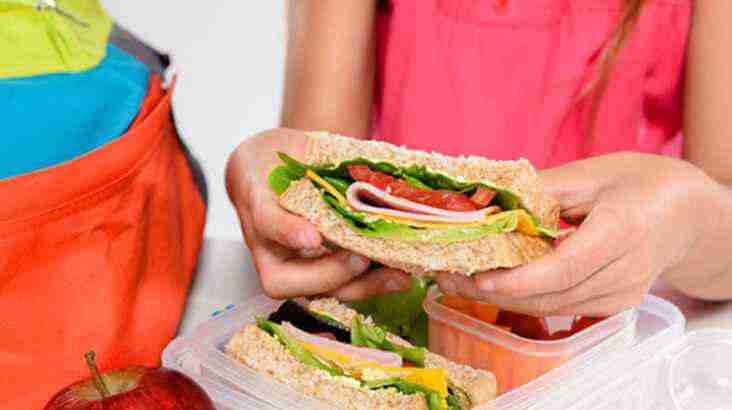
Make it fancy. Have you ever wondered why your kids crave for junk food? Taste is one aspect. The other is presentation. So fancy it up a bit. Use colorful plates and cutlery. Add salads and greens and soups as side dishes instead of fries and soda drinks. Serve to them as they are served in a restaurant and see them enjoy their meal.

Fruits are next best healthy option, so make them have a bowl of fruit with their pasta or pizza. So with two slices of pizza, this bowl of fruit might make you feel less guilty.

However, teaching your kids about the importance of a healthy diet should never end. So keep talking to them about eating right and being fit.

Work During Pregnancy

I am sure all of us remember the sweet moments when we discovered that we were pregnant and that a beautiful life was growing inside us. Yes, being pregnant is a wonderful feeling. Yet for those who are working, it is a difficult task. There are a few facts that can help pregnant, working women, handle the entire process and alleviate the inconvenience, to some extent.

  1. Most important- practise complete personal hygiene. You need to wash your hands regularly; it is essential for your baby’s well being and yours, too. It reduces the risk of infections.
  2. We all know the bouts of ‘morning sickness’ that we need to suffer. So, we need to try and decrease the nausea. We have to keep away from anything that can trigger the nausea. For e.g. the mere smell of garlic made me sick when I was pregnant.  Try to eat frequent, small meals. Keep some biscuits handy.
  3. You need to deal with tiredness. It is obvious, since your body is getting overworked. Moreover, when at work, you really cannot put your feet up and rest. A suggestion, include foods rich in protein and iron in your diet, for e.g. green, leafy vegetables, poultry and whole grains. Keep yourself hydrated.
  4. Remember to take breaks at work. You need to get up. Move around, stretch your legs; great for blood circulation.
  5. You have to handle your office chores independently. But girls, you definitely need help with housework.
  6. Continue to be physically active. Go for a walk in the outdoors, enjoy the beauty of nature, it will lift up your spirits. But remember to consult your gynaecologist before commencing any kind of exercise or strenuous activity.
  7. Stock on your sleep; atleast 8 hours of ‘shut eye’. Try to sleep on your left side as it increases blood flow to your baby.
  8. Always ensure that you are physically comfortable. Never cross your legs and sit. Try not to stand for long. Lifting heavy stuff is not advisable. Dress comfortably. Yes, the ‘sharp’ business suits and high heels need to be put away in the closet. ☺

If you can afford to, try and start your maternity leave early. It will help you rest and finish all important chores. Moreover, try not to work late, you need to take it slow and easy. You can discuss guidelines pertaining to maternity leave, with your co-workers, especially young mothers. They will definitely give you a clearer picture with regard to your queries, for instance, availability of flexible work timings and so on.

If your work involves travel, do consult your gynaecologist. Another extremely important fact, please remain stress free. Every problem has a solution, just relax.

My dear, soon-to-be mums, enjoy this phase, live every moment. Look after yourself and your baby. Yes, nothing is more important than your precious baby.

God Bless ☺

स्तन-पान कराने वाली माँ के लिए उपयुक्त भोजन

अक्सर प्रसव के बाद नयी माँ अपनी सास या माँ से यह ज़रूर सुनती है की वह जो कुछ भी खाती–पीती है उसका सीधा प्रभाव नवजात शिशु के स्वास्थ्य पर पड़ता है | जन्म के पहले छः माह तक माँ का दूध ही बच्चे को पूर्ण पौशण देता है | इसमे एंटीबॉडी होती है जो बच्चे को रोग से लड़ने की ताक़त देता है और प्रतिरक्षक को मज़बूत बनता है | यह बच्चे को बीमारियो से भी बचाता है | यहा कुछ नुस्खे है ऐसी माँ के लिए जिससे वह स्तन्यस्त्रावण (स्तन मे दूध का उत्पाद) बढ़ा सके, अपने  दैनिक भोजन में इन चीज़ो को शामिल कर कर :-

**जीरा के दाने** : मेरी माँ जीरे के दानो को भुन कर पीस लेती थी, और फिर उन्हे दाल और सब्ज़ियो मे मिला देती थी. यह बदहज़मी को भी कम करता है |

** सौंफ के दाने** : बहुत सी महिलाए सौंफ के गर्म पानी को भोजन के साथ, अपने पेट को आराम देने और स्तन्यस्त्रावण के लिए पीती है

** दूध ** : दिन में दो बार दूध पिए|

** दाल और सब्ज़ियाँ**: पालक, मेथी , गाजर, स्तन्यस्त्रावण के लिए बहुत कार्यशील होती है | दाल प्रोटीन और फाइबर से युक्त होती है जो की माँ के लिए आवश्यक है |

**ड्राइ फ्रूट्स और मेवे** : खजूर, अंजीर, आँखरौट, बादाम, पिसता और खूबानी पोषण के अच्छे स्त्रोत है|

**धनिया ** सब्ज़ियो और डाल पर ताज़ी धनिया पत्तियों को डाले | इससे ना की सिर्फ़ स्वाद बढ़ता है बल्कि स्तन्यस्त्रावण भी बढ़ता है|

** गोश्त और पोल्ट्री उत्पाद** अंडा, मुर्गी का गोश्त प्रोटीन के स्त्रोत है, अपने भोजन में उबले हुए अंडे और मुर्गी का गोश्त शामिल करें|

याद रखें, एक माँ का आहार पौष्टिक और संतुलित होना चाहिए जिससे स्तन के दूध की मात्रा बढ़ती रहे | अपने शरीर और मन को आराम देने के लिए व्यायाम करें | शिशु को स्तनपान करते वक़्त उसे जाने, यह एक विशेष समय है |

अंत मे बस यह ध्यान रखें की अपनी माँ और सास की बातों को माने | घरेलू नुस्खे अक्सर आधुनिक उपचार से भी बेहतर हो सकते है |

Flu, Cough And Cold: Causes And How To Avoid Them

A change in season invariably results in our children falling ill, with cold and cough and flu. The regular signs are a runny nose, an itchy throat, sneezes and fever. Our baby is miserable (and so are we).  Let’s address each of these individually.

1. Cold:

The Rhinovirus is the most common cause of cold. Cold usually lasts between 5 to 10 days. Our child, at the onset of the illness, tends to feel unwell and then has a sore throat. Cough is one of the closest ‘friends’ of cold.

  • Cold is super contagious. So our child can get it from his best friend.
  • He can get sick by coming in contact with a germ infested surface, a door knob, a chair and so on.
  • The best form of defense is personal hygiene and washing hands frequently. You need to inculcate this habit in your child. My son, for instance knows that he needs to wash his hands before eating, each time he visits the restroom, when he gets back home after playing and so forth.
  • If your child has a cold, it is best not to send him to school so that other children do not catch it. Moreover, your baby is weak and prone to infections, so it is best for him, too.  It would be great if you could teach your child to cover his mouth while sneezing and use a tissue. Try to avoid over the counter medication and consult your paediatrician if your child’s symptoms worsen.

2. Cough:

The sound of my son coughing makes me want to cry, a feeling shared by all mums, I am sure. Well, addressing the cause can help our child:

  • Allergies- These can cause irritable cough, a bad throat and so on. These allergens can include food items, pollen in the air and dust. Speak with your child’s paediatrician and take the necessary medication.
  • Infections like flu and cold result in our kids coughing continuously. If your baby is asthmatic, it might cause cough.
  • Acid reflux is also a common cause of cough. You can speak with your paediatrician about this. You can also remove food that causes acidity in your child, like chocolate (identify it). Give your baby dinner at least a couple of hours before his bedtime, to aid digestion.

Self medication is again not advisable for your baby. In case, the severity of cough increases or if your child has difficulty breathing, rush to your doctor.

3. Flu:

Flu is also referred to as Influenza. It is an infection that targets our child’s respiratory system. It tends to be more severe than cold as it can develop into pneumonia. Our child feels awful the first couple of days after the onset of the illness.

  • Three types of viruses cause Influenza- Types A and B cause the annual flu and type C causes the random outbreak.
  • Since flu is contagious, it is spread through respiratory secretions.
  • Our kids tend to get it most obviously from school or their play group. They decide to share a milkshake, or hug or maybe exchange a ‘yo’ with the boy who has the flu (and who just rubbed his nose with his hands).
  • Children can spread the virus a day before their actual symptoms surface and continue to do so for almost a week after they fall ill.
  • The best way to avoid the flu is to get the vaccination done for your child. I do it every year for my son.

Mums, make your child rest and give him lots of fluid. Stay healthy!

Tips For Underweight Children

How many times have you come back worried about your child’s weight after your regular pediatrician visit? I did. Most toddlers after being weaned off breast milk tend to become underweight for their age and size. You might also come across a stage when you observe and think- “have they stopped growing” or “does he have worms again?”

While I went through this phase with my son when he was about two I took the help of few of the rich foods my mother fed me while I was growing up. I also must emphasize here that don’t make weight a parameter to declare your child as healthy or unhealthy. Sometimes they may weigh less but the sparkle in their eye tells the whole truth of about their health.

Even though an apple a day, keeps the doctor away, bananas are the best source of calorie intake as well as nutrition. And bananas and milk is a super healthy combination. Try giving mashed bananas with milk in breakfast meals. Remember the goal here is not to increase their weight, but just to reach the healthy weight according to their age and daily activity. So anything in excess is a complete no-no.

Whole/full cream milk is also an alternative that can be continued till your child turns older. I would not suggest high protein shakes that are available in the market which are greatly advertised on television. They just add on to the weight in no time, which does not solve the purpose.

Cheese is another source of protein and is highly energy dense. Include cheese in various forms like adding in paranthas, cheese breads with soups, or even a cube of cheese at times to satisfy their hunger.

A balanced diet is as important for an underweight child as much it is for healthy kids and adults. Have 4-5 portions of fruits of vegetables every day. Include lentils, pulses, fish, eggs and meat. Avoid saturated oils and switch to unsaturated oils wherever possible.

The deal with underweight kids could also be fussy eating habits. I’ve heard many mothers complain that their child does not even want to experiment with their food. So that’s where the job becomes tougher. So make it interesting that they enjoy their meal time. Make it family time, talk and be happy. Talk about the day and get their mind off the plate.

Keep a count of the daily calorie intake of your child until they reach their healthy weight.   Introduce foods that are high on calories like potatoes, milk puddings, dairy products etc. Don’t feed on the junk items just so to increase their weight.

Even if you child is underweight, keep him /her active in physical play. That would help them developing their bones and muscles and making them stronger. There is a difference between underweight and weak. So identify what you are dealing with.

After all these are challenges of childhood that most parents face and patience is the key.

Why Doing Nothing Is Important

An oxymoron that has grown immensely important and the need of the hour, in our present, stressful times, is ‘doing nothing’. Yes, I know it is a tad confusing…weird, not doable (you might say that). But my fellow parents, ‘we need to do what we need to do’!

The lives of our children have become super busy. They have school to go to, which has become highly competitive. But even after that, their calendars are chock-a-block! For e.g. my son, a grade 2 student, is back home by 3:30 pm. I have enrolled him for tennis, thrice a week and twice a week, he needs to undergo his karate training. To add to our child’s woes, there is a constant competition within the parent community to flaunt and showcase the talents of our children. I know parents who literally sit with a checklist of skills that they think they need to develop in their children. We also believe that if our child is not kept busy, he will go astray or indulge in unproductive (a relative term) activities.

We take pains to dispel our child’s ‘alone-ness’. We try and schedule play dates and enrichment activities. Our children are immersed in a sea of modern gadgets, like the TV, Ipads and video games. It makes us guilt free at some level, as we are unable to provide our child with quality time. So, the entire family is just busy round the clock. Do we stop for a moment and reflect on the fact that just like us, our precious child can also be stressed, burnt-out and sleep deprived?

Doing nothing is like a health potion for our child’s mind, body and soul. Let us try and understand its significance:

  1. Doing nothing helps our child re-establish his connect with his inner self and with his family and his surroundings. The child learns to explore his creative instincts and starts to think for himself. He becomes independent in the truest sense of the term. The bonus is that his mind also gets its well deserved down time and is recharged and ready to handle the challenges that a new day brings upon him.
  2. The child embraces nature; he rediscovers the outdoors. Allow him this personal space to build mud castles outside and enjoy the sound of birds chirping. Let him inhale the freshness of flowers. You will see your child bloom! ☺
  3. If your child is allowed to do nothing, he will eventually be grateful to you as a parent. In this state of ‘nothingness’, the child can be himself. He does not need to adhere to a certain role, there is no pressure to win and he is not being judged. It is perfect for our child’s holistic development.
  4. Boredom is an exceptional teacher. Our child learns far more from this apparently unimportant nothingness, than we can imagine. During my son’s seemingly inactive state, he developed a passion for storytelling through his drawing. A talent so potent and impressive that it rendered me speechless (do excuse my immodesty☺).

Friends, ‘doing nothing’ is like therapy for our child’s soul. Let your baby merge into its infinite possibilities. Make a promise to yourself today, gift your child some NOTHINGNESS!

Right Age For Playschool

Pre-school, basically means semi structured learning and fun environment for the kids before they start formal schooling i.e Grade I or Class 1 as we say in India. Like every parent, even we went through this dilemma of choosing the right time to send our son to pre -school. So we played it safe and chose a neighbourhood play school to start with at the age of 2.5 years. Now it may seem a bit early for most of the parents, but children need to transition slowly in to the new environment and therefore its best to give them some time to settle.

Some of the factors you need to consider before thinking about pre-school are listed below. Have a look and let me know if you also feel the same.

I feel the main aim to have the pre-school experience is to prepare our children for formal schooling which means staying away from their comfort zone, playing and learning in a structured manner, learning to share and also taking instructions from teachers.

I sensed that children learn faster when they are meeting and mingling with other children of the same age.  So technically, whether your child is able to speak properly is not a major criteria for pre-school. You will see how well they pick up when they start attending pre-school. Socially, we expect children to be able to share, interact and cooperate with the other children. They also should be able to wait their turn. These are some behaviour/s that can be practiced at home before taking the pre-school leap.

Nowadays with both parents working, opting for pre-school/day care becomes a necessity than a choice. Recently, a friend of mine was in a dire need of a day care for his two year old daughter, and taking this decision was nerve wrecking. We kept talking of how young she is and will she be able to handle the separation. The fact is children take their own time to settle in any new environment. So for sure there would be anxiety attacks, crankiness and loads of emotional drama in the first few days of pre-school. But eventually, they will settle and finally love it there.

In the Indian education system, most schools admit children aged 5-6 in Grade 1/Class 1. Hence, pre-school can comfortably start any time between 2.5 years to 3 years based on your child. I personally feel play /pre schools are a great way to instil and boost the confidence in kids. It gives them a chance to develop their social, communication and language skills in an unstructured and playful manner.

Every family is different. So clearly it is up to the parents to decide whether their child is ready to start pre-school. Take the leap if your child is eager to learn new things and isn’t getting enough stimulation at home.

And finally, let’s not delay in letting our kids create a small little world of their own. Let go!

अपने बच्चे की सरहाना के सकारात्मक प्रभाव

मैने कहीं पढ़ा है कि जब आप छोटे बच्चों की सरहाना करते हैं तो, यह उन्हे स्वयं को महत्वपूर्ण होने का विश्वास देता है और उन्हे चीज़ों को अच्छी प्रकार से करने के लिए प्रोत्साहित करता है.
कई बार मैं इसी उधेड़  बुन में होती हूँ कि मैं अपने बेटे को याद दिलाऊं कि उसने कई काम अभी तक नहीं किए हैं. जैसे कि अपना बिस्तर नहीं बनाया है, होमवर्क नहीं किया है,मेरा मतलब है कि मैं यहाँ ऐसी कई बातों को सोच सकती हूँ. बस बात का मूल यही है.उन्मे छुपी हुई अच्छाइयों को उन्हें बताना है कि वह भी चीज़ों को सही प्रकार से कर सकते हैं
अक्सर ऐसा होता है किजब बड़े बात कर रहे होते हैं तो बच्चों को चुप रहने के लिए बोला जाता है. आपने कभी सोचा है कि ऐसा क्यूँ होता है?यह उनका तरीका है बातचीत में भाग लेने का या योगदान करने का. इसलिए योगदान करने के लिए उनकी मदद करिए.”टेबल साफ करने में क्या तुम मेरी मदद कर सकते हो” या “हम इस नई पैंटिंग को कहाँ लगा सकते हैं?” ये सारे अच्छे तरीके हैं काम करवाने के साथ साथ रोज़ाना के कामों में उनकी हिस्सेदारी के. हमेशा यह कहकर उत्साहित करते रहें कि”मैं तुम्हारे योगदान से  सच में खुश हूँ” और “तुम्हारा आइडिया मुझे पसंद आया है.”
कभी कभी,जब बच्चा आपकी इच्छानुसार व्यवहार करता है तो उसे इनाम देने की भी आवश्यकता होती है. आप उन्हे सर्प्राइज़ दे सकतीं हैं जैसे, १० मिनिट ज़्यादा टीवी या उनकी पसंद का कुछ मीठा व्यंजन.
अभिभावक, एक धिक्कार को कम करने के लिए बहुत सारी प्रशंसा की आवश्यकता होती हैं. मैं यह नहीं कहती कि-बिना बात ही उनकी प्रशंसा करते रहिए. बहुत से दिन ऐसे भी होते हैं जबकि मुझे कोई कारण नज़र नहीं आता है अपने बेटे की तारीफ करने का; जब वह बहुत नखरीला,बदमाश और उत्पाती होता है. तब मैंउसे कहती हूँ- जैसे भी तुम हो उसके लिए धन्यवाद. और वह सिर्फ़ मुस्कुरा देता है.

आपके बच्चों को नर्सरी राइम्स कैसे सिखाई जाए

 मेरा बेटा सात साल का है,फिर भी रातको सोते समय उसे मेरी थोड़ी सी मदद की ज़रूरत होती थी और जो बात सबसे पहले मेरे दिमाग़  में आई वह थी .राइम्स का,जिसे हम सभी ने साथ में सीखा.
  . वह सुनकरसीखने वालों में से एक था. और इसलिए वह दिनभर अपना पसंदीदा संगीत सुनते हुएसब कुछ जल्दी सीखता था.
शुरुआत में मैं कुछ सी .डी खरीद लाई थी जिसे बजाने पर वह सिर्फ़ सुनता था .नर्सरी राइम्स सबसे अच्छी कहानियाँ होती हैं जिससे बच्चे अपनेआप को जुड़ा हुआ अनुभव करते हैं . वह छोटी और सुरीली होतीं हैं. माँ बाप अपने बच्चे को नर्सरी राइम्स सुना रहे होतें हैं उसी समय सबसे बड़ी समस्या यह उठती है की इनमे से कुछ बच्चों को किस प्रकार सिखाई जाएँ.

rltdptd

जब आप उन्हे नर्सरी राइम्स सिखा रही होतीं हैं, उससमय मम्मियाँ यह निश्चित कर लें कि, वह उन्हे भली प्रकार से आतीं हों. अन्यथा आप इसके लिए यू ट्यूब. कॉम या गूगल. कॉम की सहयता ले सकतीं हैं. ज़्यादातर नर्सरी राइम्स की अपनी ही मीठी तुकबंदी और सुर होता है. नर्सरी राइम्स गाते समय आपका व्यवहार ख़ुशगवार होना ज़रूरी है ताकि आप बता सकें कि यह सब सीखना कितना मज़ेदार  हो सकता है.
 जो बच्चे देखकर सीखते हैं, उनके लिए रचनात्मक बानिए और राइम का कोई चरित्र बनाइए ;जैसे हंप्टी डंप्टी, या ब्लॅक शीप. इसके अलावा आप सॉक्स या फिंगरपप्पेट बनाने की कोशिश भी कर सकती हैं ताकि उनकी कल्पना का विस्तार हो सके.
**क्रिया और भाव**यह दोनों उतने ही ज़रूरी हैं जितनी कि कविता की सही लय. उचित असर के लिए कविता की लेय  पर नाटक करिए. हाथ घुमाए (ट्विंकल ट्विंकल),आँखें नचाईए,शरीर को लहराईए(जॅक आंड जिल)और उंगलियों पर गिनिए (बाबा ब्लॅक शीप). यह क्रिया और भाव बच्चे के आँख और हाथ के तारतम्य का भी उचित विकास करते हैं.
कविता बच्चे में पढ़ने की आदत का विकास करने में भी बहुत सहायक होती हैं. घर में रंगीन चित्र वाली कविताओं की किताब लाइए और उन्हे पढ़कर सुनाए. सिर्फ़ याद रखिए कि आपको बहुत सा संयम रखना होगा ,ताकि आप अभिभावक होने का मनोरंजक अनुभव कर सकें.
बच्चे को अपने आप पूरा वाक्य कविता का पढ़कर समझने दीजिए. यहाँ तक कि वाक्य समाप्तकरने के लिए उन्हेआपके उपर निर्भर नहीं होने दीजिए.
नर्सरी राइम्स पढ़ने से उनकी यादश्त तेज़ होती है.  इसलिए नहाते समय या खाते समय आप बच्चे के साथ मिलकर गाइए. बार बार एक ही चीज़ करने से उनकी यादश्त तेज़ होती है साथ ही लंबे समय तक उनके दिमाग़ पर अंकित हो जाती है.
सभी माताओं के लिए सुझाव है कि, अपने बच्चों की खूबियों को सबके सामने ना दर्शाएं जब तक कि वह स्वयं ही इसके लिए तय्यार ना हों. यदि वह नहीं कहते हैं तो उनकी इच्छा का सम्मान कीजिए. अंत में अपने बच्चे की तारीफ कीजिए भले ही उसने कोशिश ही की हो.