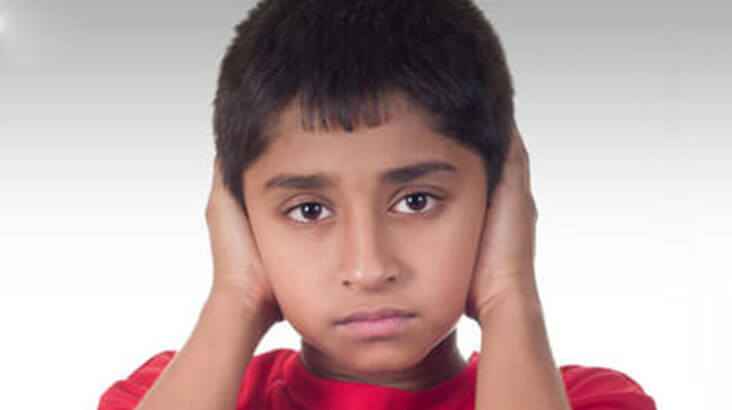
Stubborness- Navigating Through No

stubborness-navigating-through-no-headmast

Call your child stubborn or headstrong, but every parent has to go through this phase with their kids from the very beginning of their toddler years. It is definitely a daunting task for parents todeal with such behavior, and getting your children to do things the way you want can be stressfulat times. Children try to assert their freedom and independence by exhibiting such behavior. It isalso possible that they express their stress through such strategies. One should try to discipline astubborn child by listening to and understanding her concerns whilst staying calm and composed.It is also important that as parents you set a good example of acceptable behavior in front of them.According to research, children tend to behave in an obstinate manner as it gives them a sense ofcontrol over the situation, which in turn, boosts their self-esteem. It is also true that they don’treally understand how to express their feelings of stress in a socially acceptable manner. Parentstend to look at stubborness in a negative way whereas attempting to view it in a positive way willmake reasons for the behavior more clear to them. Children like to show that they can think forthemselves and that they can declare their thoughts and beliefs. Knowing this, one should remainpositive as it is a sign of becoming independent at an earlier age. It is important that as parents youmake an effort to understand the root of stubborn behavior in your child. Reasons could vary fromnot liking change to irrational fears. Some children like to carry out the occasional attack ofrebellion but as parents you should remain as calm as possible. If you act out and respond in angerthey take it as a reinforcement that negative behavior works everytime. Parents don’t really havemany disciplining options but when the situation may lead to compromising on the child’s safety,they have to take a stand. Even in such cases it’s not advisable to show anger but to simply statethe reasons and the consequences for disobedience. There is no harm in negotiating with the childif the situation is not dangerous. Sometimes letting go might also be a safe bet as the child wouldstop rebelling when she faces no opposition. You should try to identify the issue that is botheringthe child and involve her in finding a solution for it which will help her feel that you are on herside.

Navigating through “No!” is another issue parents face all the time. All kids learn the word no veryquickly and make sure to hold on to it tightly. For every question asked and request made you getto hear a no as fast as the speed of lightning. It’s quite common for children to behave in such amanner but the spirited kid will have the loudest “no” possible with long and intense tantrums.They feel anxious and insecure when they can’t predict what’s going to happen next. There areways to teach a toddler self-control when it comes to such behavior. Explaining everything to herin a detailed manner is the way to begin, followed by periodic reminders as to what has to be donenext. Even visual cues can help at times like showing photos of relatives who are coming to visit ormaking a scrapbook with pictures for the daily routine. Of course it’s not possible to cut out all thesurprises from your child’s life but giving her a heads-up about these little things will help cutdown on the stress. They need security and consistency with their daily routine. If you let themwatch television one night after dinner, they might force you and demand it every night. Toddlerslong for connection even as they move towards independence, so short activities like playingtogether or cuddling might help keep this connection intact. These strategies might slow you downa little in the beginning but they will help you save time in prevented tantrums. It is very importantto communicate with your child with patience and affection. Even lack of attention from you canbe a cause for stubborn behavior. It’s also important to avoid shouting or arguing in front of thechild as she might get used to it and become more stubborn. Make sure to maintain a peacefulenvironment at home.

You are a role model for your child. She will immitate your actions and try to behave like you, so it’s advisable to behave the way you want your little one to behave. Positive behavior should always be appreciated by you as it will instill a form of reinforcement in the child like praising her when she is well-behaved and cooperative. Children need to know that they can trust you to be there for them which will inturn make them more independent in the future.

Sorting Vegetables And Fruits

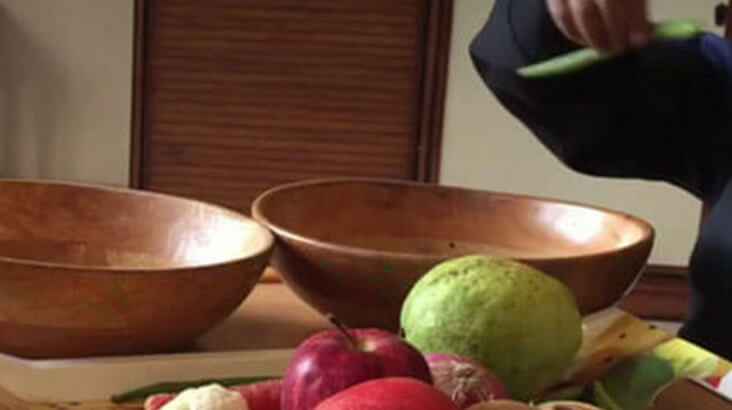
Reinforcing the benefits of fruits & vegetables. Dash into the kitchen and get an assortment of fruits & vegetables.

Get two empty baskets along. Ask your child to sort the vegetables from the fruits . While the child is at the task, you can talk about the different fruits & vegetables. Once done, you can even ask your child to eat a fruit!

Happy learning at home!

Attention Seeking

It’s quite normal for children to want their parents’ attention. However, if this becomes a regular habit, it can lead to further problems with the child’s behavior. Children tend to misbehave to gain your attention but one should not give in to their demands everytime as it can lead to issues with discipline in the future. Every child needs attention but some need it more than the others which can become a little profuse at times.

You don’t have to put an end to your kid’s need for attention and approval. If managed appropriately, your children’s need for attention can be very useful for enhancing their behavior. What needs to be abolished is the attention-seeking behavior that is unacceptable and excessive. Such behavior often crops up if it has helped children obtain what they wanted in the past. It is best to not give into the nagging as it can turn the need for attention into demands for attention. They resort to tantrums and outbursts if their demands are not met so it is important to figure out the reason behind their behavior. The reasons may be logical or illogical but if the child feels that she is not getting enough attention from you, she will do anything in her power to get it. It’s quite common for children to behave in inappropriate ways after the birth of a sibling. They tend to become jealous as they no longer have your undivided attention. Children seek their parent’s approval because they see it as a reward. Parents tend to indulge in three types of attention namely positive attention, negative attention and no attention. Positive attention means that you appreciate the good behavior of the child. Spending a specific amount of quality time with them on a regular basis is part of positive attention. You could also praise and encourage the child or hug and kiss her to show positivity from your end when she listens to you and behaves well. It is easy to start an argument with your child and react to her negative behavior but it is the worst thing to do so far. Giving attention to inappropriate behavior will mean giving negative attention. This happens when you become upset and give in to their tantrums and demands which ultimately leads to scolding and lectures. It is not advisable to pay attention to such misbehaviors as it does not act as punishment but rather increases such acts. Children learn to influence, exploit and get their way and this is taught by parents who don’t appreciate their appropriate behavior but pay attention to their misbehavior. It’s not a deliberate action but when you ignore the positive and attend to the negative, you teach them to behave in a negative manner. 

There are other factors to take into account as to why children bring out the act of attention seeking. The inability to express themselves emotionally, hidden anger over an issue, trouble at school or with friends could be some of the reasons for attention seeking behavior. Not the best idea to tag your child as an attention seeker before interrogating the problem or the need for such behavior. Every parent goes through this phase with their child and a good way to improve this situation would be to spend more time with your child everyday and ask about what is happening in their lives.

Loneliness and Solitary Children

Raising an only child can have its pros and cons. There can be many reasons as to why couples have only one child. They vary from personal preference to financial constraints to late marriage and even infertility at times. There have been myths going around since years that an only child tends to be lonely, spoiled, aggressive, bossy and maladjusted. Until now there have been hundreds of research studies and not one of them has proved this myth to be correct.

A psychotherapist, Alfred Adler, believed that birth order has an effect on children’s personalities. Only children, engulfed by their parents’ attention, often expect to be admired by everyone. But somehow they learn to rely on themselves, having spent their childhood alone, along with developing a sense of comfort in being alone. Children without siblings usually tend to develop precocious interests and are traditionally expected to display stilted social skills. At times they tend to form stronger relationships with themselves or create imaginary friends to kill the boredom of not having a sibling to play with. However, these challenges faced by an only child can be conquered with the help of parents. The advantage of having an only child is that you can give your undivided attention, without being pulled in other directions. You have plenty of time to teach social skills and values that you feel are important. According to research an only child develops high self-esteem and endorses maturity because of the parents’ one-on-one focus. They tend to have strong identities and personalities as their needs are not overlooked and they don’t have to be on par with a sibling to get attention. There is also an advantage in having to spend so much time alone as they learn to entertain themselves. This in turn makes them creative and more attentive. Having an only child also eases the financial pressure because of which you can offer more of everything to that child. It could range from after-school activities to better educational facilities to even traveling more often.

Of course there are downsides to having an only child. It’s possible for them to have a sensitive nature as they are not exposed to the teasing and fighting that siblings usually go through. This could make them very sensitive to friends’ remarks and they may not take it well. Growing up with siblings can help one see another person’s perspective and teach them how to get along with other people who are different. It also teaches a child how to stand up for herself, how to share, compromise and negotiate. Another drawback of having an only child is that they won’t get to enjoy the mutual support that siblings have amongst them and neither will the parents be able to feel the joy of watching their children bond with each other. It can also be difficult for an only child to solely take care of her parents when they get older. It has been said that only children form deeper friendships than children with siblings do. They tend to substitute them with siblings and their ties often last a lifetime. Hence, it is of significant importance that you expose them to a wide range of people and experiences so that they become sociable and comfortable being around new people. Only children tend to be self-reliant and might not see friends as an essential part of their lives so you should make them join activities that require team support and effort. Parents also face many challenges while raising an only child but there are ways to avoid them. A lot of parents tend to set very high expectations for them which can really pressurize the child as she knows she’s the only one there to meet them. Due to this pressure, they try to become perfectionists to please their parents. It is essential to keep your expectations in line with your child’s natural abilities and age, and not focus only on what you want her to become. Maintaining a balance between protection and overprotection is necessary. If you keep hovering over the child and keep trying to rescue her from every little situation that might occur, she will not learn to stand up for herself and navigate the world. Some parents try to make too many decisions for their child because of which the child ends up completely relying on them for every little thing. Give your toddler the chance to make small decisions for herself to help build future decision-making abilities. Also, only children can have difficulty relating to peers since they are the center of their parents’ attention. Set play dates for your child, at home as well as outside so that she has plenty of time to spend with kids her own age. Socialization from the very beginning will help the child develop the ability to resolve conflicts, take turns and share.

Overindulging your child can develop an attitude of “I always get what I want” in her so make sure to set limits, delay gratification and instill discipline through guidelines and expectations. Even bombarding the kid with gifts can develop a similar attitude in the child so it is important to keep the gifts in check. There are many experts and parents who note that undivided attention to an only child can be either positive or negative but with a lot of love from you and support of some friends, your only child will thrive to be a well-adjusted person.

MumpaActivity: Sorting Seeds

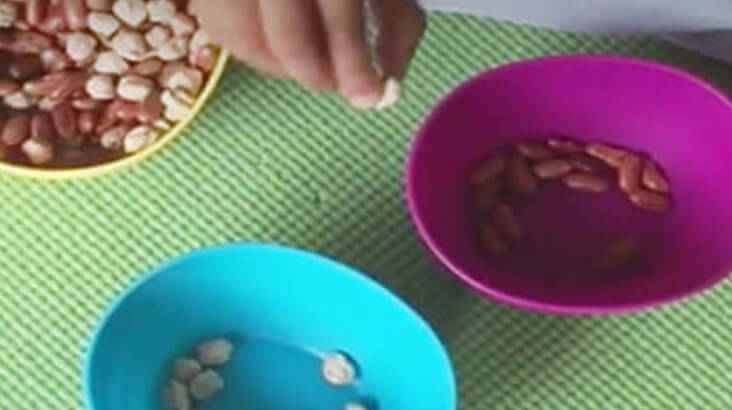
In a bowl, mix 2 or 3 types of pulses which the child can hold easily.We have used chole (chickpeas) & rajma (kidney beans).

Explain to the child that she must put the rajma & chole in separate bowls.

Make the child comfortable and start!

This is a great activity for developing the pincer grip (thumb and fore finger grip). The child will make mistakes but will correct the mistake on her own. This activity also helps build brain, eye and hand coordination.
While the child is at it, you sip a hot cuppa!

The child learns –
1. Development of pincer grip
2. Eye and hand coordination

Happy learning at home!

Inculcate Having A Hobby

When I was a child, my hobby was to write….anything☺. A hobby makes a child feel independent and important as he makes a choice for himself….he takes his first, baby-step toward making his own decision. Yes, as a parent, at times it is difficult to let go. We want to decide everything for our child, his food, his sleeping pattern, the clothes that he wears and so on and so forth. But some things are best left to our kids.

Let us look at a few more facts as to why our children need to inculcate hobbies and how we can guide them:

  • Individuality

A hobby is personal and individual….if your friend’s kid likes to dance, it is not necessary that your child, too, would or should like it. Please do not try and impose your preferences on your kid. Let him choose and figure out for himself. Allow him to be an individual ☺

  • After school activities:

In our changing times, schools, too, have a lot of after school activities, like sports sessions (soccer, tennis) and art and craft. More often than not, our kid chooses what he wants to opt for. Various other institutes and academies, too, offer a lot of hobby and recreational options. Let your kid take a call. If he prefers the school environment, allow him to attend the classes of his choice. It is convenient for you as well. But if your child wants to explore options outside school, please encourage him. A different physical environment and a different group of children are healthy for his personal development.

  • Responsibility:

Once our child decides what he wants to pursue, he would also learn to grow more responsible. Since it would be his personal choice, he would pursue it more responsibly. After all, the pride and happiness that he would experience when he flaunts his skills in front of you would be incomparable, isn’t it?

  • Prioritizing:

This is ‘responsibity’s’ twin sister. Tell me friends, when we feel responsible for ourselves and our actions, don’t we also learn to prioritise? The answer is a ‘yes’☺. Our child, too, would take time out for his hobby. He would decide how to divide time between his school work, his friends and his hobby.

  • Set an example:

My mother used to be an avid reader. As a child, I watched her read and fell in love with reading and as a natural progression, writing. It is not necessary that your child would adopt the same hobby. Children emulate us so they, too, would try and develop a similar passion for something. This interest would soon grow into a hobby, which might become a future career option.

  • Monitor screen time:

At times, our kids are so busy with their television programs, their iPads and video games that hobbies are unable to blossom due to paucity of time. As parents, we need to guide our children and encourage them to discover themselves through their hobbies.

Mums and dads, hobbies are tools of personal expression and learning for our children. They help our little ones to set goals for themselves and achieve them, too. God bless ☺

Helping Your Preschooler Overcome Shyness

My son was always a shy child. I remember taking him to visit his friends where he would sit stuck with me, holding on to my arm tightly. My friends advised me to take him out more often, so that he could meet new people and overcome this supposed shyness. But alas! It never really happened. Shyness in preschoolers is not difficult to understand. Especially children coming from nuclear families (like mine).

We need to understand that being an introvert or reserved is not the concern here. But being shy can deprive our children from gaining new experiences and following their heart. A question, does feeling shy make you a wee bit uncomfortable? I am certain the answer will be in the affirmative. Similar emotions are experienced by our child, too. Consequently, quite a few good learning opportunities are lost. For e.g. a child who would love to learn soccer would shy away from it, due to his awkwardness to interact with a group. How unfair is that!

As parents, it is our moral responsibility to help our child overcome traits that can prove to be detrimental to his progress. We need to identify the reasons for this ‘shy’ behaviour. Is it a genetic trait or is it a learned response? The good news is that in both these situations, behaviour can be modified. Overly reserved behaviour can also be a passing phase, like in preschoolers, where the novelty of every situation makes them slightly withdrawn. A few tell tale signs of a shy child:

  • Holding on to mum, avoiding eye contact
  • Feeling anxious, crying
  • Verbal expressions like’ I feel awkward’.

We need to be in sync with our child’s needs and help her overcome this shyness. A few pointers:

  1. Shyness is not a negative trait; please do not make your child feel guilty. Be supportive and encouraging. Help your baby help herself. Be empathetic.
  2. Try not to do away with the physical proximity. If your child wants you around in the playground in the evening, do it. Emotional security is the key word.
  3. You are your child’s role model. Talk to her about the times when you were shy (being fictitious is fine, add some drama☺). Then tell her how you became more outgoing; explain your personal journey. Kids emulate us, always.
  4. At times, allow your child to deal with stress situations. She needs to learn to cope with anxiety. Allow her to carry on independent conversations with people. It would be great to start with your friends and family. Ask them to chip in!
  5. Assist and encourage your child to identify her strengths. Make her feel confident about herself; allow her to discover her uniqueness. Let her discover the excitement and fun in group activities.
  6. Coax her to talk about her feelings, her apprehensions and her concerns. Allow her to vent herself. Games like the ‘dumb charades’ are great tools of self expression.
  7. Appreciate your child for any outgoing behaviour. Praise her, preferably in the presence of her peer group. Positive reinforcement works wonders.
  8. Most important, love her for what she is. ☺

Goodbye shyness ☺

Parenting Tips For Toddlers

I still remember the day when my son took his first steps and spoke his first word. It was a glorious moment for the entire family. But then the running all over the place started….. ☺. The incessant talking, though tiring, made me smile ear to ear. I loved it all. So parents, toddlers are quite a handful. We need a lot of patience and tonnes and tonnes of energy to keep pace with them.

Babies aged between 14 months and 36 months fall into the category of toddlers. Yes, these years can be quite challenging for parents. But we can make our lives easier if we adhere to a few key points:

  • Yes, our little angel has a mind of her own, so let us allow her to use it. We need to help our toddler become responsible. Let us begin with the basics….cleaning her own mess. For e.g., if while eating, the bowl falls off the table, please do not get irritated. Try to respond in the following manner; ” oh, we dropped our food. It is fine. So now let us get a sponge and clean it”. Get a cleaning cloth for yourself and your toddler. It is fun and aids learning.
  • Acknowledge kindness in your child. Try to help her realise that kind words and gestures can work wonders. For e.g., a warm hug can make you feel loved and happy.
  • Allow your child to help you in your daily chores. For instance, my son loves to fold washed clothes and he does a wonderful job of it. He feels important doing it because he realises that this is his contribution in the house work.
  • Allow your child to make decisions, at least the simpler ones. Instead of shouting out orders, ask her what needs to be done next. For e.g. before going to bed, ask her if she needs to do something important; more often than not, she would rush to brush her teeth. Allow her to choose the amount of food she wants to eat. Let her decide what to wear, it is fun☺.
  • Allow her to learn social skills. Never impose expected responses upon her. If she reacts adversely to a situation, allow her to calm down and then ask her to identify how she could have responded differently. For instance, if she becomes aggressive with a sibling or a friend, take her away and ask her to relax. Then communicate with her…..listen to her…understand her….respond to her.
  • Allow your child to deal with her problems, instead of rushing to help her. This would help her become independent and responsible for her own actions.

We love our children and we all want them to grow up into bright, intelligent, successful and healthy individuals. But we also need to inculcate in them the simple quality of being happy. They need to enjoy the process of growing up; they need to have fun; laugh; scream; jump. They need to live their childhood ☺

Importance Of Calcium For Pregnant Women

We are all aware of the importance of calcium for our health. It is essential for the maintenance of our teeth, to make our bones strong, to regulate blood pressure and to keep our hearts healthy. During pregnancy, calcium becomes far more important as it is crucial to our baby’s growth and development and also to make our mommy bones healthy. So let us understand this, if your calcium intake is not as per requirement, your baby will absorb her share of calcium from your bones. Consequently, you might have to deal with calcium deficiency and eventually osteoporosis.

Let us look at a few responsibilities this mineral, i.e. calcium, needs to shoulder in our lifetime:

Apart from the points mentioned above, calcium looks after the development of nerves and muscle relaxation (yes, even the heart muscles). Lack of calcium causes muscle cramps, which we have all experienced at some stage in our pregnancy. This in turn results in a spike in blood pressure, which might cause pre-eclampsia. Calcium also aids the formation of blood clots. Obviously, this is crucial during delivery, to prevent incessant blood loss.

So all would-be-mums, the importance of calcium becomes manifold when you are pregnant. But we also need to know that excess of calcium needs to be curtailed, too, as it decreases the absorption of iron and zinc. It leads to constipation and can increase the occurrence of kidney stones. Another key point- supplements for calcium are not always required during pregnancy. But, if your health care provider feels that you might develop gestational hypertension, she can suggest supplements. A few factors that can lead to this situation are obesity, diabetes, previous incident of pre-eclampsia, high blood pressure and so on.

But we do not need to worry. A balanced diet normally suffices for the required amount of calcium intake. Many types of food contain calcium. To name a few, tofu, sesame seeds, pure orange juice, yogurt, spinach, cabbage, cow’s milk, soy milk, broccoli and so forth. I incorporated sesame seeds in my diet and sprinkled them on my salad and kneaded them in the dough for my chapattis. You might want to try something similar. ☺

Moreover, the prenatal vitamins also contain a small proportion of calcium. Intake of vitamin D, too, helps our bodies to absorb calcium more effectively.

Please try and realise the long term effects of pregnancy on your bones, ladies and eat right. You also need to start early; focus on your food and health before you try to conceive. Happy and safe pregnancy! ☺

बच्चे का पहला निवाला

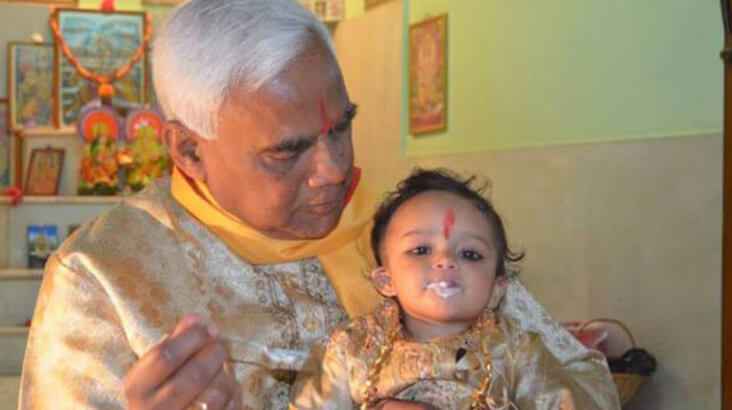
हर माता– पिता के लिए वह पल बहुत ही ज़्यादा खुशी का होता है – जब बच्चा अपना पहला नीवालाख़ाता है |

मैं स्तनपान के पूरे पक्ष मे थी, कम से कम तब तक जब तक शिशु के साल भर की उम्र का ना हो जाए | हम उसे बाहरी भोजन खिलाना चाहते थे लेकिन हमने बच्चे के इशारे का इंतेज़ार किया और उसकीएकटक और लालच भारी निगाहो ने यह साबित कर दिया की अब वक़्त हो चुका था|

उत्साह से भरपूर मैने अपने शिशु चिकित्सक से चर्चा करी की पहला भोजन क्या हो सकता है और मैं पूरीतरह से तैयार थी विभिन्न प्रकार के प्रयोग करने को| मैं इस बात से बेहद अंजान थी की बाकी पूरीदुनिया सुझाव के साथ तैयार थी | अपने निश्चय पर अडिग, मैने चिकित्सक के बताए अनुसार ख़ान पानकी तैयारी करी |

यह तर्क सही था की शुरुवत मसले हुए केले आदि से करे – यह स्वादिष्ट और नर्म होता है और बिना दाँतवाले बच्चो के लिए उपयुक्त भी| लेकिन एक सुझाव काफ़ी हद तक सही रहा की खाने को कभी पिसे नही, केवल चम्मच से मसल दे वरना बच्चा कभी चबाना नही सिख पाएगा | छोटे छोटे नीवालो के साथ भीशुरुवत मे बच्चे के गले मे नीवाला अटक गया था | वह अभी भी खाना सिख रहा था और हम दोनो ने हीअपने प्राकृतिक तरीके से प्रतिक्रिया करी– मैं डर गयी और वह जो निगल नही पाया थूक दिया, वो भीमेरी मदद के बिना| चाहे वह कितना भी खाए या ना खाए, इसका असर उसके सदाबहार पसंदीदा भोजनस्तनपान पर नही पड़ा और वह हमेशा उसकी माँग करता और मैं भी बेझिझक उसे दूध पिलाती|

जल्द ही उसका खाने के प्रति उत्साह ख़तम हो गया और उसकी चाह के बिना उसे खाना खिलाना कोईविकल्प नही था| वक़्त के साथ ही उसे खाने को अपने आप पकड़ने का शौक आया | मैने उसे खाने कोअधपके गाजर और फल छिल कर दिए और उसका खाने के लिए प्यार फिरसे लौट आया और हमे उसकेदांतो की खुजली दूर करने को एक स्वस्थ खिलोना मिल गया | उसके मसूड़े, उसके नये दांतो जीतने तेज़थे और आसानी से इनको चबा पाते थे| चम्मच से ना खिलाने पर ज़ोर कई लोगो ने दिया और सहमतिभी जताई की वह एक स्वस्थ ख़ान पं वाला बालक बनेगा मोटापे जैसी परेशानियो से परे|

वह पूरी तरह से गंदगी करता, बनावट का पता चीज़ को चीर कर,फेक कर, ज़मीन पर पटक कर मसलकर और उसके इस पूरे खेल के बीच बीच मे कुछ दंश खा भी लेता था | अंत में उसने खाना खाने का लुफ्तलेना शुरू कर दिया था और उसे खाते वक़्त खेलते देख मुझे भी खुशी मिलती है|